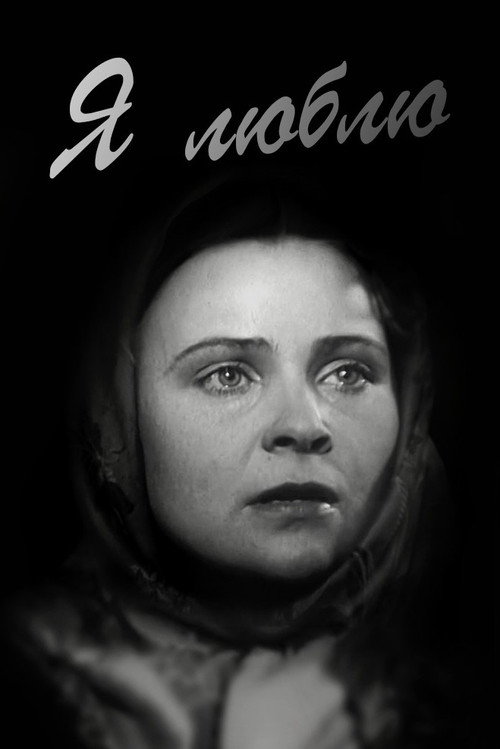
I Love 1936
Set in the rugged Donbas coalfields of the late 19th-century Russian Empire, Leonid Lukov's Soviet-era drama *I Love (1936)* follows the hardships and quiet resistance of a family bound to the earth by mining.
Director: Leonid Lukov
Cast


Frequently Asked Questions
What is I Love (1936) about?
*I Love (1936)* traces the life of Nykanor, a miner who leaves his village to work in the Donbas coalfields, only to face exploitation that echoes through generations. His son, Ostap, continues the family's labor in the mines for decades, awakening to the need for systemic change after witnessing his father's dismissal and the injustices surrounding him.
Who directed I Love?
The film was directed by Leonid Lukov, a prominent Soviet filmmaker known for his socially conscious works that often explored labor and revolutionary themes.
Who stars in I Love?
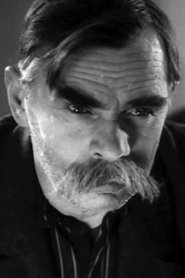
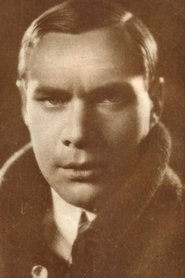
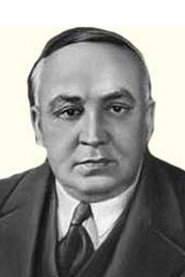
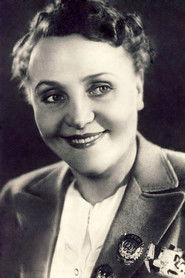
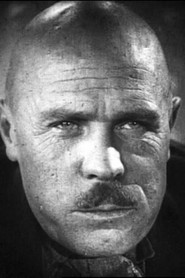
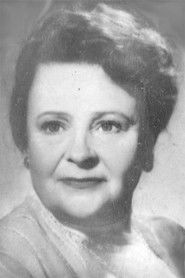
The film features Aleksandr Antonov as Nykanor, Aleksandr Chistyakov as Ostap, Ivan Chuvelyov, Vladimir Gardin, and Gulya Korolyova in pivotal roles.
Is I Love (1936) worth watching?
As a Soviet-era drama steeped in historical context and raw performances, *I Love (1936)* offers a compelling glimpse into early 20th-century labor struggles and familial bonds. While its pacing may feel deliberate by modern standards, its thematic depth and authentic atmosphere make it a noteworthy watch for fans of classical cinema.
How long is I Love?
The runtime of *I Love* is 78 minutes.
About I Love (1936) — A Soviet-era drama of labor, legacy, and revolution in the Donbas
Set in the rugged Donbas coalfields of the late 19th-century Russian Empire, Leonid Lukov's Soviet-era drama *I Love (1936)* follows the hardships and quiet resistance of a family bound to the earth by mining. Aleksandr Antonov stars as Nykanor, a laborer who uproots from his village to work the mines, only to face sudden dismissal that exposes the harsh realities of the era. Decades later, his son Ostap—played by Aleksandr Chistyakov—takes up the same grueling trade, witnessing firsthand the exploitation and systemic flaws that demand urgent change. The film pulses with gritty authenticity, blending personal sacrifice with the simmering call for revolution that would reshape history.
Through stark visuals and deeply human performances, Lukov crafts a portrait of endurance and awakening, where the weight of labor becomes both a curse and a catalyst for transformation. The story resonates with themes of loyalty, endurance, and the quiet defiance of ordinary people in extraordinary times.