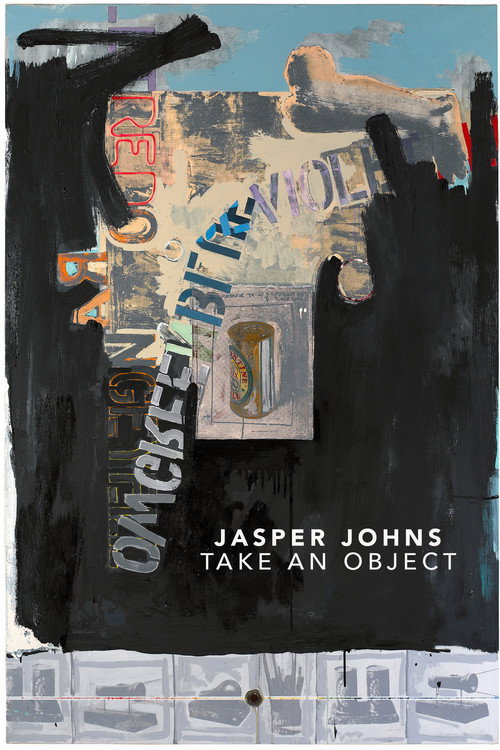
Jasper Johns: Take an Object 1990
Dive into the creative mind of Jasper Johns in *Jasper Johns: Take an Object (1990)*, a fascinating documentary by Judith Wechsler that captures the artist's evolving vision over 18 years.
Director: Judith Wechsler
Cast
Frequently Asked Questions
What is *Jasper Johns: Take an Object* (1990) about?
*Jasper Johns: Take an Object* traces the American artist's artistic journey from 1972 to 1990, showcasing how his work shifted from structured abstraction to deeply personal themes. The film highlights recurring motifs like skulls and cross-hatching, culminating in his introspective *The Seasons* series.
Who directed *Jasper Johns: Take an Object*?
The documentary was directed by Judith Wechsler, a scholar and filmmaker known for her insightful portrait of artists and their creative processes.
Who stars in *Jasper Johns: Take an Object*?
The film features artist Jasper Johns alongside director Judith Wechsler and photographer Hans Namuth, whose lens captured key moments in Johns' career.
Is *Jasper Johns: Take an Object* (1990) worth watching?
As a concise, black-and-white documentary, it's a compelling watch for fans of modern art and creative process. While unrated, its depth and focus on a legendary artist make it a unique cinematic experience worth seeking out.
How long is *Jasper Johns: Take an Object*?
The runtime is 25 minutes.
About Jasper Johns: Take an Object (1990) — A 25-Minute Glimpse into the Mind of an Icon
Dive into the creative mind of Jasper Johns in *Jasper Johns: Take an Object (1990)*, a fascinating documentary by Judith Wechsler that captures the artist's evolving vision over 18 years. The film opens in 1972 with Johns reimagining *Air Ocean World*, inspired by Buckminster Fuller's Dymaxion map, and follows his artistic journey as his work grows increasingly personal and introspective. Recurring motifs like cross-hatching, flagstones, and anatomical fragments give way to deeper themes—skulls, severed limbs, and the raw emotional honesty of his *The Seasons* series—revealing a man shedding his earlier reserve. Wechsler's lens turns Johns' studio into a space of reflection, where paint, memory, and meaning intertwine.
Shot in black-and-white, the documentary exudes a quiet intensity, mirroring the contemplative mood of Johns' abstract explorations. It's a rare glimpse into the process of an artist whose work transcends mere representation to challenge the boundaries of perception and identity. Whether you're a fan of modern art or simply curious about the creative process, *Jasper Johns: Take an Object (1990)* offers an intimate portrait of genius in motion.