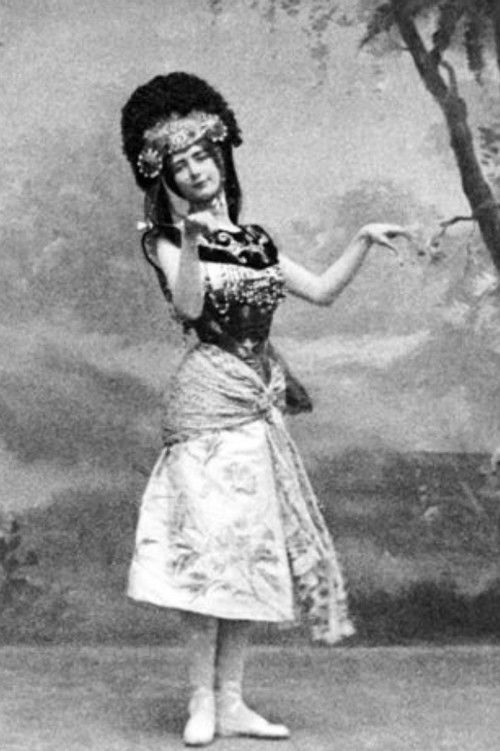
Javanese Dance 1900
Javanese Dance (1900) captures a fleeting moment from the Belle Époque, featuring Cléo de Mérode in an elegant performance that blends French artistic sensibilities with the exotic allure of traditional Javanese dance.
Director: Marguerite Vrignault
Cast
Frequently Asked Questions
What is Javanese Dance (1900) about?
This short film features Cléo de Mérode performing a traditional Javanese dance, offering a snapshot of early 20th-century cultural fusion. Directed by Marguerite Vrignault, the film is less about narrative and more about showcasing de Mérode's artistry within a fleeting cinematic moment.
Who directed Javanese Dance?
Javanese Dance was directed by Marguerite Vrignault, a figure known for her contributions to early French cinema.
Who stars in Javanese Dance?
The film stars Cléo de Mérode, the legendary French dancer whose career spanned the Belle Époque and beyond.
Is Javanese Dance (1900) worth watching?
While it's a historical curiosity rather than a narrative-driven film, Javanese Dance (1900) offers a unique look at early cinematic artistry and de Mérode's legendary performance. Its brevity and cultural significance make it a niche but fascinating watch for silent film fans.
How long is Javanese Dance?
Javanese Dance (1900) runs for approximately 3 minutes.
About Javanese Dance (1900) — The Belle Époque's Brief but Brilliant Dance Short
Javanese Dance (1900) captures a fleeting moment from the Belle Époque, featuring Cléo de Mérode in an elegant performance that blends French artistic sensibilities with the exotic allure of traditional Javanese dance. Directed by Marguerite Vrignault, this three-minute silent short offers a glimpse into the era's fascination with cultural exchange, showcasing de Mérode's poised, graceful movements against a backdrop of early cinematic experimentation. Though brief, the film embodies the era's curiosity for global artistry, making it a fascinating artifact for historians and silent film enthusiasts alike.
As one of the earliest surviving films to depict Javanese dance, this 1900 short stands as a historical curiosity, offering more cultural than narrative value. De Mérode's performance—rooted in her training in classical European ballet—adds a layer of sophistication to the piece, even as it leans into the period's romanticized view of Eastern traditions. The film's minimal runtime and lack of dialogue amplify its atmospheric charm, transporting viewers to a time when cinema was still finding its voice.