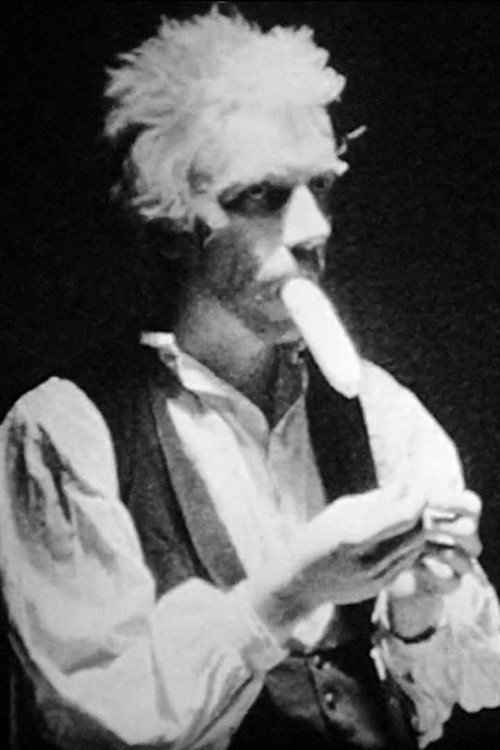
Krapps letzter Film 1983
Krapps letzter Film (1983) offers a poignant exploration of memory, time, and the weight of personal choices through the lens of Samuel Beckett's iconic one-man play.
Director: Schmelzdahin
Frequently Asked Questions
What is Krapps letzter Film (1983) about?
Krapps letzter Film (1983) adapts Samuel Beckett's one-man play, following an aging protagonist as he grapples with decades of recorded memories and the weight of his past decisions. The film distills Beckett's themes of isolation, regret, and the passage of time into a stark, intimate visual experience.
Who directed Krapps letzter Film?
Krapps letzter Film was directed by Schmelzdahin, a filmmaker known for his unconventional and introspective style.
Who stars in Krapps letzter Film?
The film's cast details are not publicly available, but it is a one-person adaptation centered on the character of Krapp, brought to life through the director's minimalist vision.
Is Krapps letzter Film (1983) worth watching?
For fans of existential drama and Beckett's work, Krapps letzter Film (1983) is a compelling 13-minute experience that distills profound themes into a visually striking format. While its brevity and abstract nature may not appeal to all viewers, its artistic ambition and haunting atmosphere make it a memorable watch for those seeking depth in a short film.
How long is Krapps letzter Film?
Krapps letzter Film (1983) has a runtime of 13 minutes.
About Krapps letzter Film (1983) — Beckett's Existential Masterpiece in 13 Minutes
Krapps letzter Film (1983) offers a poignant exploration of memory, time, and the weight of personal choices through the lens of Samuel Beckett's iconic one-man play. Directed by the reclusive German filmmaker Schmelzdahin, this 13-minute cinematic adaptation strips the narrative down to its bare essentials, transforming abstract existential musings into stark visual poetry. The film's intimate atmosphere lingers as an unseen figure navigates a labyrinth of recollections, probing the fragility of human recollection against the relentless march of time. Its minimalist approach invites viewers to confront their own reflections on life's fleeting moments, making it a haunting yet deeply resonant experience.
Schmelzdahin's direction leans into Beckett's absurdist themes, using stark lighting and silent pauses to amplify the emotional depth of Krapp's solitary struggle. While the cast remains uncredited in this adaptation, the film's power lies in its raw, unfiltered delivery—a testament to the enduring relevance of Beckett's work and the director's bold vision. Krapps letzter Film (1983) is a fleeting yet unforgettable journey into the heart of existential inquiry, leaving audiences to ponder their own legacies long after the final frame fades.