In Motion 1981
Step aboard a cinematic train of thought with *In Motion (1981)*, a hypnotic short film directed by Martin Sercombe that stitches three distinct visual poems into a single, mesmerizing tapestry.
Director: Martin Sercombe
Frequently Asked Questions
What is In Motion (1981) about?
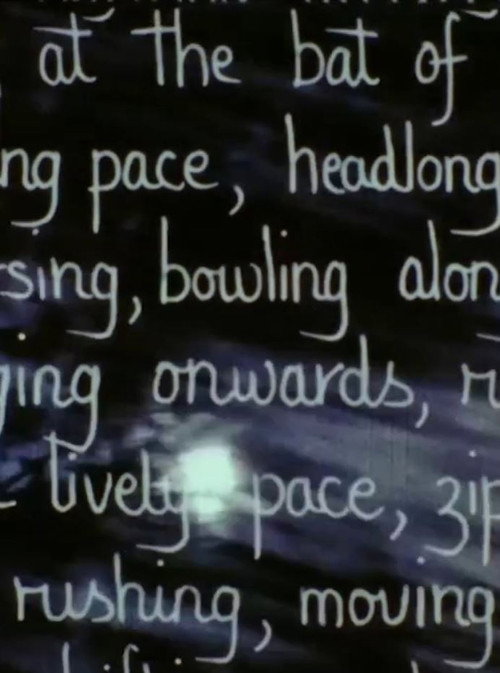
*In Motion* is an experimental short film composed of three interconnected sequences. The first captures poetic, handwritten landscapes glimpsed from a train, blending words with shadowy silhouettes. The second distills the restless energy of a mountain stream into symmetrical camera movements. The final sequence races down sunlit plantation avenues, ending with lightning and bird cries, creating a sensory collage of movement and perception.
Who directed In Motion?
Martin Sercombe directed *In Motion*. His work is celebrated for blending abstract visuals with poetic storytelling, creating immersive experiences that challenge conventional narrative structures.
Who stars in In Motion?
Cast information for *In Motion* is not listed.
Is In Motion (1981) worth watching?
*In Motion* is a niche, experimental film that thrives on its visual poetry and hypnotic pacing. While it may not appeal to audiences seeking traditional narratives, its unique approach to light, motion, and abstraction makes it a fascinating watch for fans of avant-garde cinema. Without an IMDb rating, its value depends on your appreciation for abstract art and experimental filmmaking.
How long is In Motion?
The runtime of *In Motion* is 13 minutes.
About In Motion (1981) — A Hypnotic Short Film of Light, Motion, and Abstract Poetry
Step aboard a cinematic train of thought with *In Motion (1981)*, a hypnotic short film directed by Martin Sercombe that stitches three distinct visual poems into a single, mesmerizing tapestry. The first segment unfolds as a handwritten landscape drifting past a train window, where words and phrases blur into shadowy silhouettes and fleeting glimpses of three suns—each frame a fleeting puzzle of shifting light and meaning. The second sequence transforms the restless energy of a mountain stream into a study of symmetry and motion, tracing ripples and reflections through a series of precise, almost mathematical camera movements. Finally, the film accelerates into a dizzying chase down sun-dappled plantation avenues, where rapid zooms and sudden bursts of light evoke the raw power of nature, culminating in flashes of lightning and the piercing cry of a bird. Together, these three movements create a sensory experience that blurs the line between abstraction and emotion, inviting viewers to lose themselves in the rhythm of movement and perception.
Sercombe's vision turns *In Motion (1981)* into more than just a film—it's a meditation on how we see and interpret the world through fragments of time and light. The absence of traditional narrative is replaced by an immersive, almost meditative quality, where each shot feels like a brushstroke in a larger, unseen painting. The interplay of sound and silence, light and shadow, creates an atmosphere that lingers long after the credits roll, leaving audiences to ponder the beauty in fleeting moments.