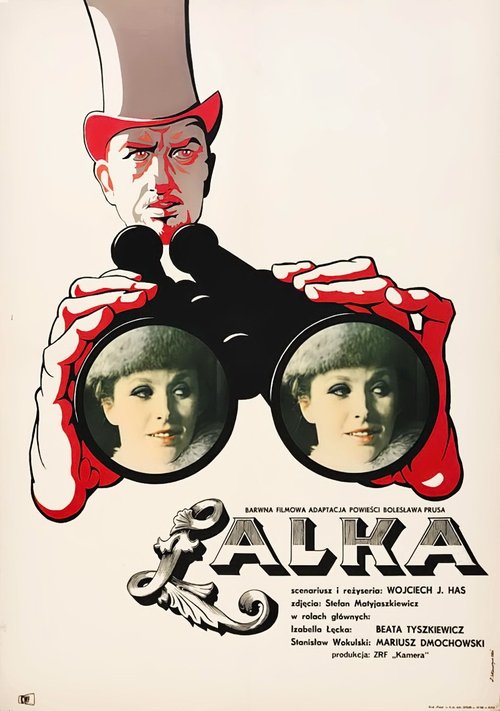
The Doll 1968
Wojciech Has' *The Doll (1968)* transports viewers to 19th-century Warsaw, where the rigid social hierarchies of aristocratic life clash with the ambitions of energetic outsiders.
Director: Wojciech Has
Cast
Frequently Asked Questions
What is The Doll (1968) about?
Set in Warsaw's high society during the 19th century, *The Doll* follows Wokulski, a wealthy but socially marginalized merchant whose financial success doesn't grant him entry into the aristocratic circles he yearns to join. His quiet support for a struggling family—especially their daughter—unlocks a tender, unspoken love that challenges the rigid norms of the era. The film weaves a tale of ambition, class barriers, and the fragile beauty of forbidden affection.
Who directed The Doll?
Wojciech Has directed *The Doll (1968)*, a filmmaker celebrated for his visually poetic and historically rich cinematic style.
Who stars in The Doll?
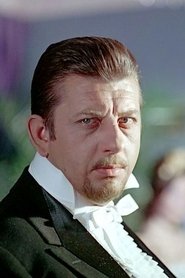
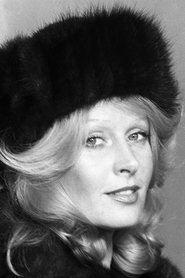
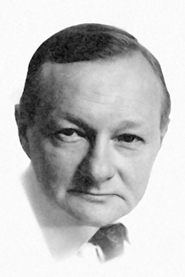
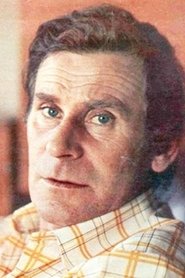
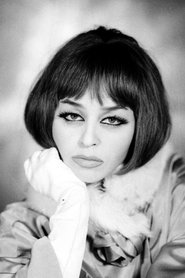
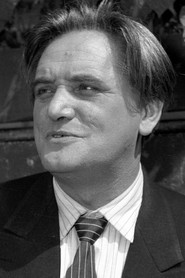
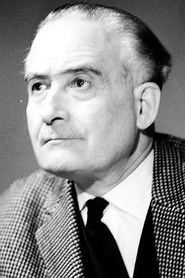
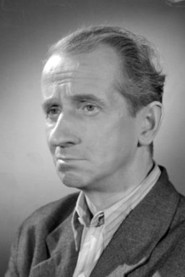
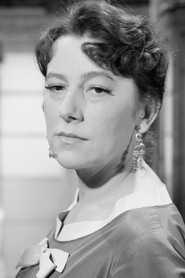
The film stars Mariusz Dmochowski as Wokulski, Beata Tyszkiewicz as the titular doll, and Tadeusz Fijewski in a supporting role.
Is The Doll (1968) worth watching?
*The Doll (1968)* is a hidden gem for fans of historical drama and romantic storytelling. While it unrated on IMDb, its themes of class struggle and quiet passion resonate powerfully, especially under Has' masterful direction. If you appreciate films that blend social commentary with intimate character studies, this period piece is well worth your time.
How long is The Doll?
The runtime of *The Doll (1968)* is 152 minutes.
About The Doll (1968) — A 19th-Century Aristocratic Romance by Wojciech Has
Wojciech Has' *The Doll (1968)* transports viewers to 19th-century Warsaw, where the rigid social hierarchies of aristocratic life clash with the ambitions of energetic outsiders. At the heart of the story is Wokulski, a self-made man whose financial acumen is admired but whose lack of noble lineage keeps him on the margins of high society. His quiet generosity toward a struggling family—particularly their daughter, a young woman whose grace and influence earn her the nickname "the doll"—ignites a quiet but profound emotional awakening. Has crafts a visually rich drama that blends romance with biting social commentary, exploring themes of ambition, class, and unspoken devotion against a backdrop of opulent ballrooms and shadowy corridors.
The film's measured pacing and deliberate performances create an atmosphere of simmering tension, where every glance and gesture carries weight. As Wokulski navigates the indifference of the elite, his growing affection for the enigmatic doll becomes both a personal triumph and a bittersweet reminder of the barriers that divide them. With its historical depth and emotional resonance, *The Doll (1968)* stands as a masterful portrait of a man caught between two worlds.