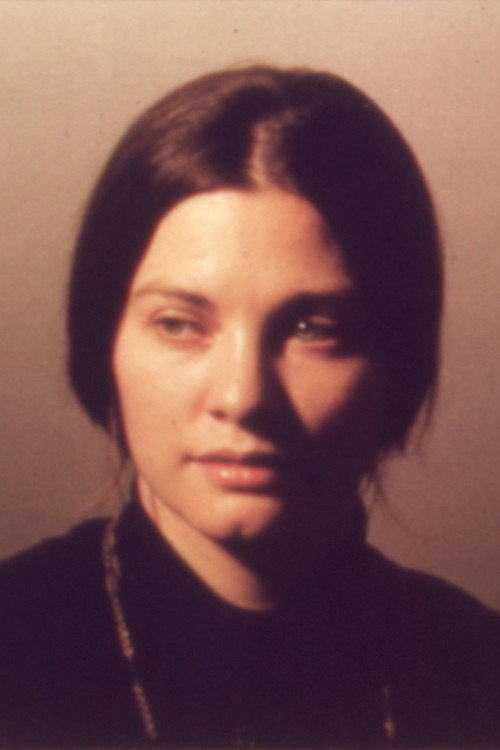
Portrait #2: Judy Fyve 1983
Bob Cowan's *Portrait #2: Judy Fyve* (1983) is a cryptic, three-minute cinematic snapshot that defies easy interpretation.
Director: Bob Cowan
Frequently Asked Questions
What is Portrait #2: Judy Fyve (1983) about?
This three-minute experimental short offers a fragmented, abstract portrait, stripping away narrative to focus on mood and imagery. Its aim isn't to tell a story, but to evoke emotion through visual and sensory cues, leaving viewers to interpret its purpose.
Who directed Portrait #2: Judy Fyve?
Portrait #2: Judy Fyve was directed by Bob Cowan, an independent filmmaker known for pushing the boundaries of short-form cinema.
Who stars in Portrait #2: Judy Fyve?
Cast details for Portrait #2: Judy Fyve are not publicly available, reflecting its experimental and minimalist production style.
Is Portrait #2: Judy Fyve (1983) worth watching?
While *Portrait #2: Judy Fyve* isn't for everyone, it's a fascinating time capsule of early 1980s experimental filmmaking. Its brevity and ambiguity make it a quick watch that rewards viewers seeking something outside the mainstream.
How long is Portrait #2: Judy Fyve?
Portrait #2: Judy Fyve has a runtime of 3 minutes.
About Portrait #2: Judy Fyve (1983) — A Minimalist Masterpiece in Three Minutes
Bob Cowan's *Portrait #2: Judy Fyve* (1983) is a cryptic, three-minute cinematic snapshot that defies easy interpretation. With minimal dialogue and zero frills, the experimental short film immerses viewers in a fleeting, almost dream-like sequence—its essence distilled into a fleeting moment rather than a traditional narrative. The raw, unfiltered approach creates an atmosphere of ambiguity, inviting audiences to project their own meanings onto the visuals. Thin on context but thick with atmosphere, it's the kind of film that lingers in the mind long after the credits roll, a deliberate challenge to the conventions of storytelling.
Despite its brevity, *Portrait #2: Judy Fyve* carries the weight of an artistic statement, leaving its themes open to interpretation. Is it a meditation on identity, a fleeting glimpse into a character's inner world, or simply an exercise in pure visual poetry? The lack of genre labels only adds to its intrigue, making it a cult curiosity for those drawn to avant-garde cinema and the boundaries of film as an art form.