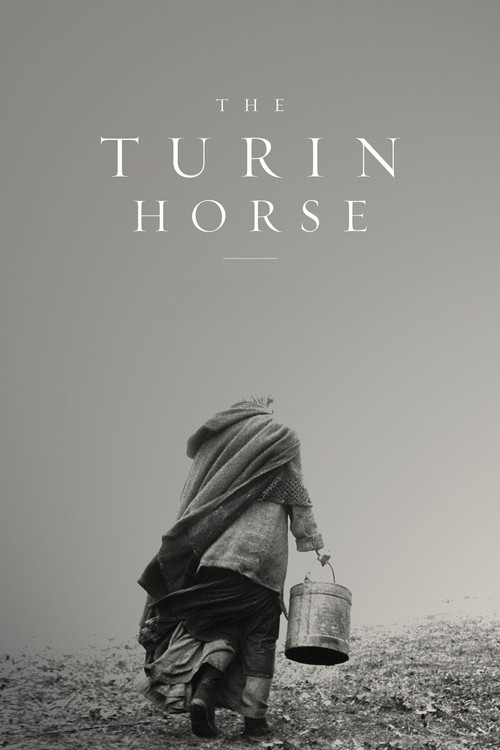
The Turin Horse 2011
Directed by the Hungarian master Béla Tarr, *The Turin Horse (2011)* plunges viewers into a stark, hypnotic meditation on fate, suffering, and the relentless march of time.
Director: Béla Tarr
Cast

Frequently Asked Questions
What is The Turin Horse (2011) about?
The film follows a poor farmer and his daughter as a violent windstorm rages outside their isolated home. Their already harsh lives take a darker turn when their exhausted horse refuses to work or eat, signaling a descent into chaos and existential dread.
Who directed The Turin Horse?
Béla Tarr, the Hungarian auteur known for his slow, immersive storytelling and stark visual style, directed *The Turin Horse*.
Who stars in The Turin Horse?
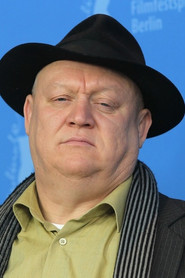
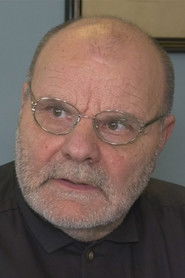
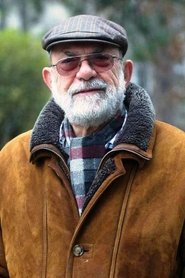
The film features János Derzsi as the farmer, Erika Bók as his daughter, and Mihály Kormos in a supporting role, delivering performances steeped in quiet despair.
Is The Turin Horse (2011) worth watching?
*The Turin Horse* is a polarizing yet undeniably powerful film. Its minimalist approach and bleak themes may not appeal to everyone, but for fans of slow cinema and philosophical drama, it's a masterclass in tension, atmosphere, and artistic vision.
How long is The Turin Horse?
The film runs for 155 minutes, a duration that mirrors its glacial pacing and immersive storytelling.
🎥 Trailer
The Ultimate Guide to The Turin Horse (2011) — A Haunting Masterpiece of Despair and Resilience
Directed by the Hungarian master Béla Tarr, *The Turin Horse (2011)* plunges viewers into a stark, hypnotic meditation on fate, suffering, and the relentless march of time. Shot in stark black-and-white, the film unfolds over six days as a violent windstorm batters a remote farmhouse, mirroring the despair of a destitute father and his daughter. Their fragile existence is further unraveled when their starving horse refuses to work or eat, casting a shadow of inevitability over their future. With minimal dialogue and a glacial pace, Tarr crafts an atmosphere of quiet dread, where each frame feels like a painting of existential collapse.
The story draws inspiration from Friedrich Nietzsche's brief encounter with a horse being beaten in Turin, a moment that allegedly shattered the philosopher's sanity. Here, Tarr transforms that historical anecdote into a visceral, almost surreal meditation on human frailty and resilience. The film's stark visuals and oppressive tone demand patience, but for those willing to surrender to its rhythm, *The Turin Horse* becomes an unforgettable experience—a haunting elegy for a world on the brink of disappearance.