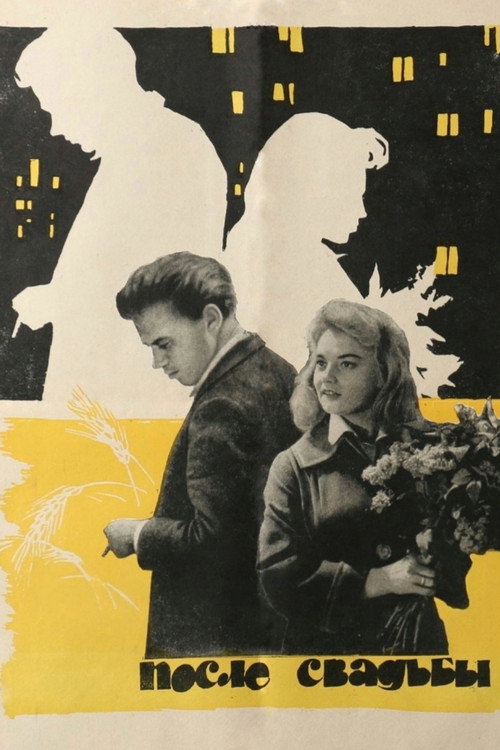
After the Wedding 1963
In Mikhail Yershov's 1963 drama *After the Wedding*, a young Leningrad factory worker is sent to a rural collective farm after his wedding day.
Director: Mikhail Yershov
Cast


Frequently Asked Questions
What is After the Wedding (1963) about?
The film follows a newlywed factory worker who is reassigned to a rural collective farm after his wedding. A year later, he's offered a return to Leningrad, but his growing sense of responsibility to the village community makes his decision far from simple.
Who directed After the Wedding?
After the Wedding was directed by Mikhail Yershov, a Soviet filmmaker known for his socially conscious dramas set in post-war rural and urban landscapes.
Who stars in After the Wedding?
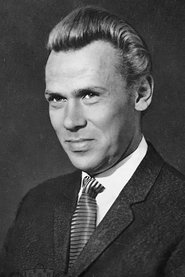
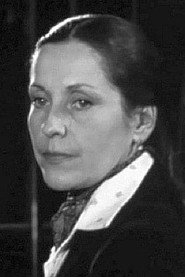
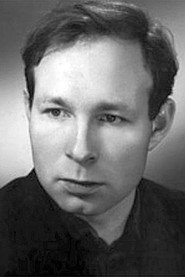
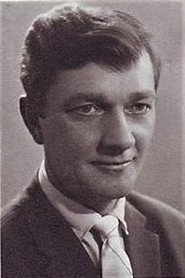
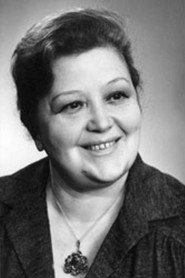
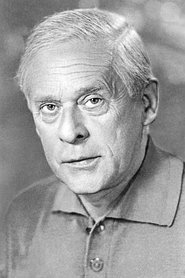
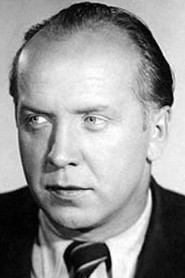
The film features Stanislav Khitrov in the lead role, alongside Natalya Kustinskaya, Aleftina Konstantinova, Leonard Borisevich, and Pavel Kashlakov in key supporting parts.
Is After the Wedding (1963) worth watching?
While unrated on IMDb, *After the Wedding* offers a compelling snapshot of Soviet-era social dynamics and personal sacrifice. Its concise 94-minute runtime and authentic setting make it a worthwhile watch for fans of vintage drama and historical films.
How long is After the Wedding?
After the Wedding has a runtime of 94 minutes.
About After the Wedding (1963) — A Soviet-era drama of duty and belonging
In Mikhail Yershov's 1963 drama *After the Wedding*, a young Leningrad factory worker is sent to a rural collective farm after his wedding day. A year later, he's offered a chance to return to the city, but the bonds of community and purpose he's formed in the village make leaving harder than expected.
As he grapples with loyalty to his new life and the pull of his past, the film explores themes of duty, belonging, and the personal sacrifices behind Soviet-era collectivism. With a runtime of just 94 minutes, Yershov's direction crafts an intimate portrait of post-war Soviet society, blending quiet drama with social realism. The atmospheric countryside serves as more than a backdrop—it's a character in its own right, shaping the choices of those who call it home.