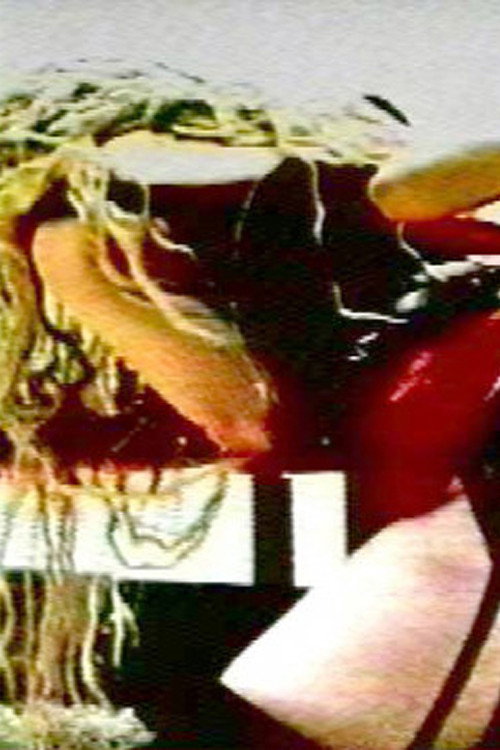
Viva la DifferAnce 1999
Directed by Pendra Wilson, *Viva la DifferAnce* (1999) is a bold Lacanian feminist experiment that plunges viewers into a pre-linguistic sexual Eden. Here, gender dissolves into a primal, unstructured desire where the mother becomes the ultimate, taboo object of fascination.
Director: Pendra Wilson
Frequently Asked Questions
What is Viva la DifferAnce (1999) about?
*Viva la DifferAnce* explores a pre-linguistic world where gender and societal constructs have not yet taken shape, with the mother as the ultimate object of desire. The film uses multiple languages and a dominatrix figure to examine psychoanalytic themes of sublimation and taboo, creating a short but dense cinematic experience.
Who directed Viva la DifferAnce?
The film was directed by Pendra Wilson, an experimental filmmaker known for pushing boundaries in feminist and psychoanalytic cinema.
Who stars in Viva la DifferAnce?
Cast details for *Viva la DifferAnce* (1999) are not publicly listed.
Is Viva la DifferAnce (1999) worth watching?
As an avant-garde short film, *Viva la DifferAnce* is less about entertainment and more about provoking thought. Its experimental nature and Lacanian themes make it intriguing for niche audiences interested in feminist cinema and psychoanalytic theory.
How long is Viva la DifferAnce?
The film has a runtime of 3 minutes.
About Viva la DifferAnce (1999) — A Lacanian Feminist Experiment in Pre-Linguistic Desire
Directed by Pendra Wilson, *Viva la DifferAnce* (1999) is a bold Lacanian feminist experiment that plunges viewers into a pre-linguistic sexual Eden. Here, gender dissolves into a primal, unstructured desire where the mother becomes the ultimate, taboo object of fascination. Blending German, Quebecois, French, and English, the film weaves a multi-layered tapestry that challenges norms, subverts expectations, and invokes a punishable paradise through the lens of psychoanalytic theory. The dominatrix symbolizes the sublimation of maternal authority, creating a visceral, thought-provoking narrative that lingers like an unresolved philosophical question.
This avant-garde short film reimagines linguistic and sexual boundaries, with its punning title—*DifferAnce*—hinting at both difference and delay from the French. With a runtime of just three minutes, its impact is outsized, leaving audiences to grapple with themes of identity, language, and the fluidity of desire. A fascinating entry for fans of experimental cinema and feminist film theory alike.