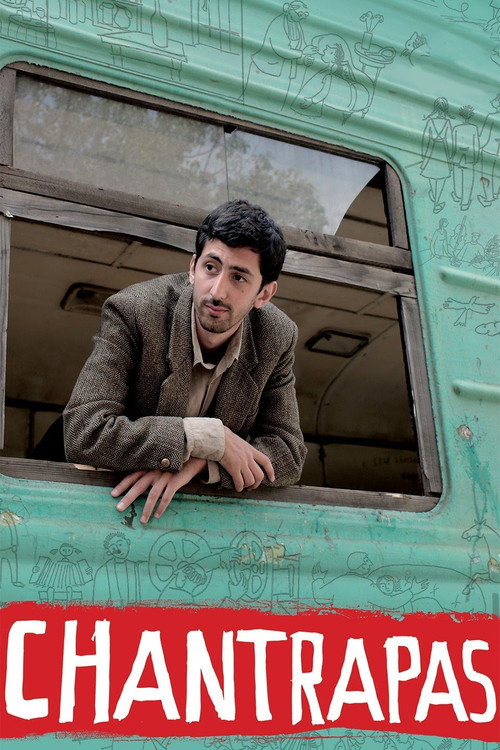
Chantrapas 2011
Chantrapas (2011), directed by the masterful Otar Iosseliani, is a sharp, witty drama that follows Niko, a filmmaker from Soviet Georgia, as he chases the elusive dream of creative freedom.
Director: Otar Iosseliani
Cast



Frequently Asked Questions
What is Chantrapas (2011) about?
Chantrapas (2011) follows Niko, a filmmaker from Soviet Georgia, as he seeks creative independence by relocating to France. Instead of finding artistic freedom, he encounters a different set of challenges, revealing how institutional and cultural constraints shape an artist's journey.
Who directed Chantrapas?
Chantrapas was directed by Otar Iosseliani, the renowned Georgian-French filmmaker known for his sharp satirical style and insightful explorations of societal norms.
Who stars in Chantrapas?
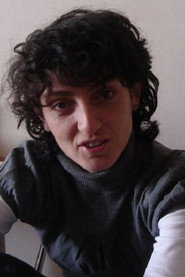
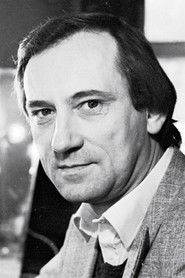
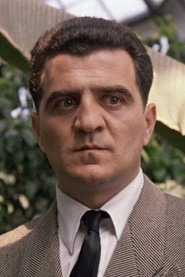
The film stars Dato Tarielachvili, Tamuna Karumidze, Fanny Gonin, Givi Sarchimelidze, and the iconic Pierre Étaix, alongside Bohdan Stupka.
Is Chantrapas (2011) worth watching?
Chantrapas is a compelling choice for fans of intelligent, dialogue-driven dramas with a satirical edge. While not widely rated, its themes of artistic struggle and irony make it a thought-provoking watch for those interested in Iosseliani's unique perspective on creative freedom.
How long is Chantrapas?
Chantrapas runs for 122 minutes, offering a concise yet rich cinematic experience.
About Chantrapas (2011) — Otar Iosseliani's Satirical Take on Artistic Freedom
Chantrapas (2011), directed by the masterful Otar Iosseliani, is a sharp, witty drama that follows Niko, a filmmaker from Soviet Georgia, as he chases the elusive dream of creative freedom. Frustrated by the suffocating constraints of state censorship and bureaucratic control in his homeland, he relocates to France—only to discover that artistic independence is no easier to come by in the West. The film blends irony with poignant observations, painting a vivid portrait of the universal struggles artists face against invisible barriers.
With a cast led by Dato Tarielachvili as Niko and featuring the legendary Pierre Étaix among others, Chantrapas unfolds as both a personal journey and a broader commentary on artistic compromise. Iosseliani's signature style—layered with dry humor and rich visual storytelling—turns a seemingly simple premise into a layered exploration of freedom, exile, and the unexpected cages we carry within us.