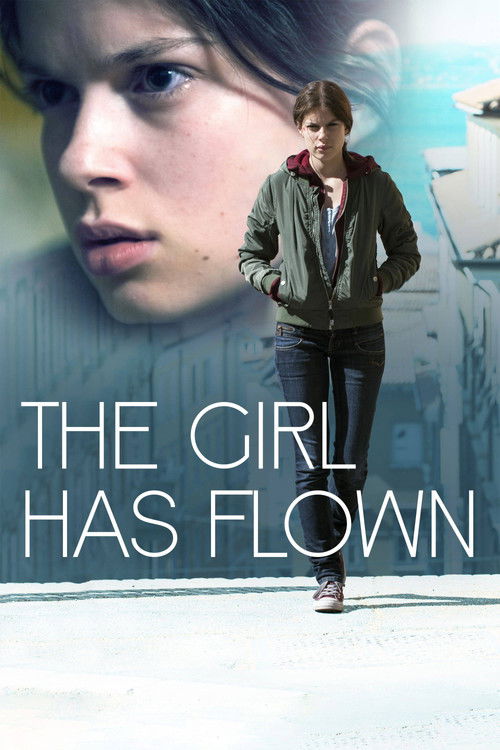
The Girl Has Flown 2021
Wilma Labate's raw and unsettling drama *The Girl Has Flown (2021)* plunges into the brutal aftermath of assault through the eyes of Nadia, a detached 16-year-old navigating a world that offers her no solace.
Director: Wilma Labate
Cast




Frequently Asked Questions
What is *The Girl Has Flown (2021)* about?
The film follows Nadia, a withdrawn 16-year-old, whose already lonely life takes a devastating turn after a brutal assault by a local boy. Struggling to process the trauma, she must navigate the fractured relationship between isolation and the fragile hope for healing.
Who directed *The Girl Has Flown*?
Wilma Labate is at the helm of *The Girl Has Flown (2021)*, crafting a stark and emotionally charged narrative that lingers long after the credits roll.
Who stars in *The Girl Has Flown*?
The film stars Alma Noce as Nadia, alongside Luka Žunić as Brando, Rossana Mortara, Massimo Somaglino, and Livia Rossi.
Is *The Girl Has Flown (2021)* worth watching?
While *The Girl Has Flown* isn't an easy film to sit through, its uncompromising portrayal of trauma and resilience makes it a compelling watch for fans of hard-hitting dramas. The strong performances and Labate's bold direction add layers that demand attention.
How long is *The Girl Has Flown*?
The Girl Has Flown has a runtime of 93 minutes.
The Girl Has Flown (2021): A Raw Drama of Trauma and Survival — Full Movie Info
Wilma Labate's raw and unsettling drama *The Girl Has Flown (2021)* plunges into the brutal aftermath of assault through the eyes of Nadia, a detached 16-year-old navigating a world that offers her no solace. When she crosses paths with Brando, a troubled local boy, she's drawn into a moment of violence that shatters her already fragile sense of self.
What emerges is a haunting exploration of trauma, isolation, and the long shadow of violation, told with unflinching honesty. Alma Noce delivers a devastating performance as Nadia, capturing the numbness and quiet rage of a teenager struggling to reclaim control over her life. Labate's direction paints a grim portrait of adolescence—where trust is scarce and redemption feels just out of reach.