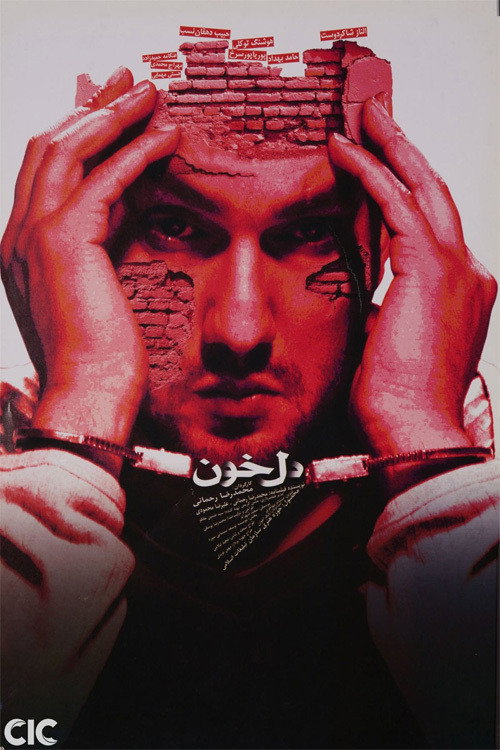
Bleeding Heart 2009
Mohamad Reza Rahmani's gripping drama *Bleeding Heart (2009)* plunges into the raw emotional depths of a public defender's moral crisis when she's assigned to represent a death row inmate.
Director: Mohamad Reza Rahmani
Cast



Frequently Asked Questions
What is Bleeding Heart (2009) about?
*Bleeding Heart* follows Delaram, a public defender thrust into the moral maze of defending a death row inmate. As she navigates the case, the film dissects themes of guilt, forgiveness, and the emotional toll of her profession. The story unfolds with raw intensity, forcing both the protagonist and audience to confront the consequences of justice.
Who directed Bleeding Heart?
The film was directed by Mohamad Reza Rahmani, known for his evocative storytelling and ability to merge emotional depth with social commentary.
Who stars in Bleeding Heart?
The film features Elnaz Shakerdoost as Delaram, with Hamed Behdad, Pouria Poursorkh, Houshang Tavakkoli, and Habib Dehghan Nasab rounding out the main cast.
Is Bleeding Heart (2009) worth watching?
While *Bleeding Heart* lacks an IMDb rating, its genre—a tense Iranian drama—and themes of moral dilemma make it a compelling watch for fans of character-driven cinema. The film's emotional weight and thought-provoking narrative justify its runtime for those seeking substance over spectacle.
How long is Bleeding Heart?
The runtime of *Bleeding Heart (2009)* is 88 minutes.
About Bleeding Heart (2009) — A Gritty Drama of Justice and Moral Turmoil
Mohamad Reza Rahmani's gripping drama *Bleeding Heart (2009)* plunges into the raw emotional depths of a public defender's moral crisis when she's assigned to represent a death row inmate. As Delaram confronts the weight of justice and redemption, the film explores the haunting scars of loss and the fragile line between guilt and forgiveness. With an atmosphere thick with tension, *Bleeding Heart* weaves a poignant narrative that challenges perceptions of crime, punishment, and the human capacity for change. The 88-minute Iranian drama blends stark realism with emotional intensity, leaving audiences to grapple with the same ethical questions faced by its characters.
Delaram's journey is set against a backdrop of societal judgment and personal reckoning, where every decision carries the potential to heal—or destroy. Rahmani crafts a story that lingers, using the confined space of a legal drama to amplify themes of trauma, moral ambiguity, and the fragile threads that connect us all.