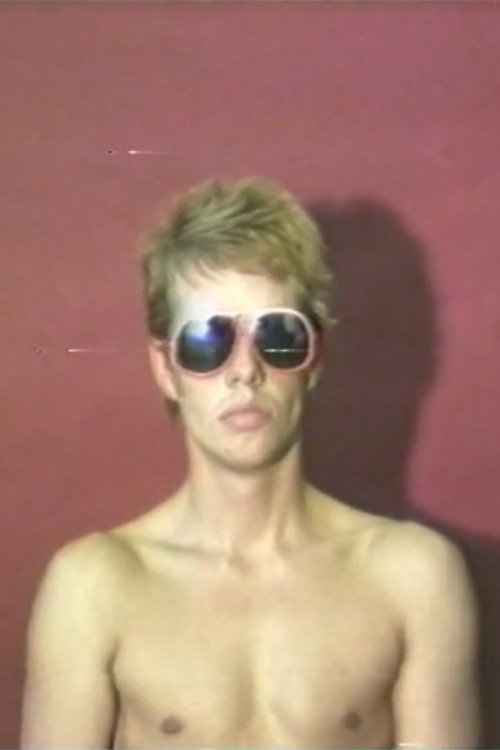
Videoscreen 696 TV 1982
Videoscreen 696 TV (1982) is a hypnotic, experimental short film by Dutch director Harry Heyink that drifts through fleeting visuals without a conventional narrative.
Director: Harry Heyink
Frequently Asked Questions
What is Videoscreen 696 TV (1982) about?
Videoscreen 696 TV is a non-narrative experimental film that captures fleeting urban and travel scenes through a moving lens. Without a plot, it focuses on the poetic interplay of reflections, motion, and transient spaces like subway stations, highways, and clothing stores.
Who directed Videoscreen 696 TV?
Videoscreen 696 TV was directed by Harry Heyink, a Dutch filmmaker known for his avant-garde approach to cinematography and visual storytelling.
Who stars in Videoscreen 696 TV?
Cast details for Videoscreen 696 TV have not been documented, as the film is an impressionistic visual piece with no credited actors.
Is Videoscreen 696 TV (1982) worth watching?
As an experimental short from 1982, Videoscreen 696 TV offers a unique viewing experience for avant-garde cinema enthusiasts. Its abstract, atmospheric style rewards patient viewers with a meditative escape from conventional narrative, though mainstream audiences may find it underwhelming.
How long is Videoscreen 696 TV?
Videoscreen 696 TV has a runtime of 20 minutes.
About Videoscreen 696 TV (1982) — Experimental Dutch Short Film with a Haunting Visual Journey
Videoscreen 696 TV (1982) is a hypnotic, experimental short film by Dutch director Harry Heyink that drifts through fleeting visuals without a conventional narrative. Shot entirely from moving vehicles—a train, car, and subway—alongside sweeping airport runway footage, the 20-minute piece captures a sense of motion without destination. The camera lingers on reflections in a train window, raindrops blurring the landscape like a moving painting, while an automated store display spins aimlessly in a clothing outlet. Heyink strips away storytelling to focus on atmosphere, using the journey's emptiness to evoke themes of transience and modern alienation.
At its core, Videoscreen 696 TV (1982) is less about where you're going than the fleeting impressions along the way. The film's experimental nature shines in its rejection of linear plot, instead weaving together disjointed images—military aircraft silhouettes, fluorescent subway tunnels, and retail hallways—into a meditative collage. The title itself hints at its vintage aesthetic: a 1980s analog sensibility where technology feels both futuristic and obsolete. For fans of avant-garde cinema, this obscure Dutch gem offers a quiet rebellion against conventional storytelling.