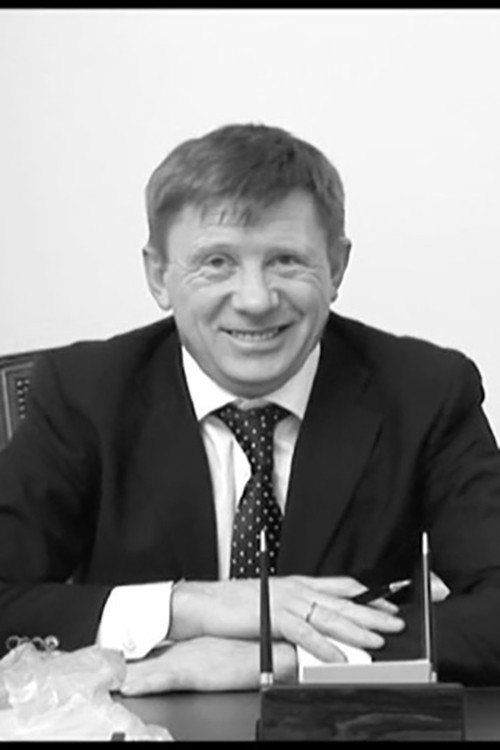
Meeting the Functionary 2011
Alina Rudnitskaya's *Meeting the Functionary (2011)* peels back the curtain on modern bureaucracy through an intimate documentary portrait set in St. Petersburg.
Director: Alina Rudnitskaya
Frequently Asked Questions
What is Meeting the Functionary (2011) about?
This documentary ventures inside St. Petersburg's citizen reception office, where an official fields housing disputes and administrative appeals from residents whose problems have stalled elsewhere. Through quiet conversations and tense standoffs, the film exposes the psychological toll of a system that treats people as cases rather than citizens.
Who directed Meeting the Functionary?
Meeting the Functionary was directed by the acclaimed filmmaker Alina Rudnitskaya, known for her incisive documentary work on social themes and institutional inefficiency.
Who stars in Meeting the Functionary?
The film centers on an unnamed St. Petersburg housing official and the real-life citizens who appear at his reception desk seeking resolution for housing-related grievances.
Is Meeting the Functionary (2011) worth watching?
As a concise, 26-minute documentary, *Meeting the Functionary* offers a compelling snapshot of systemic frustration that resonates beyond its short runtime. While not a crowd-pleaser, its authenticity and focus make it compelling viewing for fans of social realism and observational documentaries.
How long is Meeting the Functionary?
Meeting the Functionary runs for 26 minutes.
About Meeting the Functionary (2011) — A Close-Up on Bureaucracy's Human Toll
Alina Rudnitskaya's *Meeting the Functionary (2011)* peels back the curtain on modern bureaucracy through an intimate documentary portrait set in St. Petersburg. At the heart of the film is a local official's citizen reception desk, where desperate residents arrive clutching housing disputes and administrative nightmares, hoping this single functionary might unlock a solution. The camera lingers on their weary faces and halting testimony, capturing the absurdity, frustration, and quiet dignity of navigating a system designed to frustrate rather than serve.
The 26-minute runtime keeps the focus razor-sharp, transforming mundane encounters into micro-dramas about power, persistence, and the human cost of institutional inertia. Rudnitskaya frames the stage-like reception area as a modern stage where society's unspoken tensions play out daily, revealing how even in the 21st century, bureaucratic hurdles remain a defining feature of civic life.