Šoférka 1913
Step back to the era of silent film comedies with *Šoférka* (1913), a delightfully quirky short directed by Rudolf Kafka and headlined by Andula Sedláčková in her breakthrough role.
Director: Rudolf Kafka
Cast
Frequently Asked Questions
What is Šoférka (1913) about?
*Šoférka* follows the misadventures of a resourceful chauffeur whose day spirals into comedic chaos after a mix-up involving passengers, vehicles, and a series of unforeseen obstacles. The film's humor relies on slapstick gags and the charm of early cinema, delivering laughs without a single spoken line.
Who directed Šoférka?
The film was directed by Rudolf Kafka, a pioneer of early Czech cinema whose work contributed to the development of local filmmaking traditions.
Who stars in Šoférka?
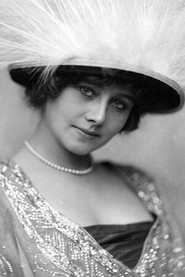
The film stars Andula Sedláčková in her standout performance as the resourceful chauffeur.
Is Šoférka (1913) worth watching?
While *Šoférka* lacks a formal rating and remains obscure to most modern viewers, its historical significance as one of the first Czech comedies makes it a fascinating watch for silent film enthusiasts. Its lighthearted, slapstick-driven storytelling offers a charming slice of early cinematic history.
How long is Šoférka?
Runtime details are not listed for *Šoférka* (1913).
About Šoférka (1913) — The Silent Comedy That Started It All
Step back to the era of silent film comedies with *Šoférka* (1913), a delightfully quirky short directed by Rudolf Kafka and headlined by Andula Sedláčková in her breakthrough role. Set against the bustling backdrop of early 20th-century Prague, this black-and-white gem follows a quick-witted chauffeur whose day takes an unexpected turn when a series of mishaps and mistaken identities collide in the most uproarious ways. The film brims with slapstick energy, sharp timing, and the unmistakable charm of early cinema, where physical comedy meets lighthearted storytelling without a single word spoken.
As one of the first Czech comedies, *Šoférka* captures the innocence and exuberance of the silent era, offering modern audiences a rare glimpse into how humor transcended language barriers over a century ago. Its themes of chaos, social class, and clever underdog triumphs resonate as much today as they did in 1913, making it a fascinating watch for film history enthusiasts and casual viewers alike.