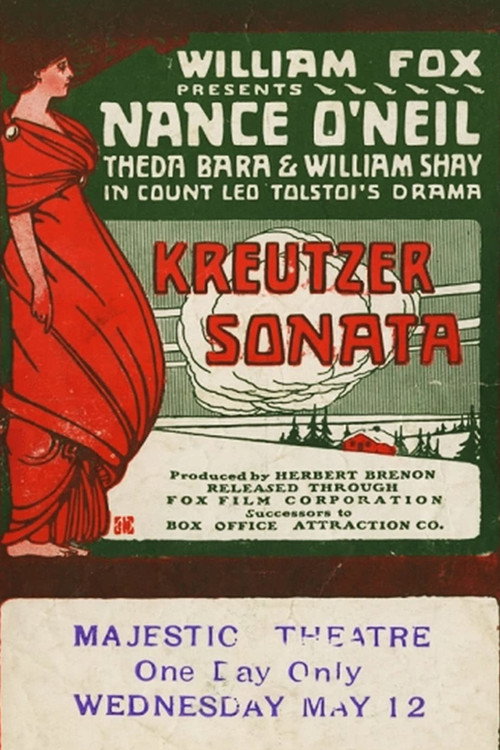
Kreutzer Sonata 1915
Immerse yourself in the intense drama *Kreutzer Sonata (1915)*, a silent-era gem directed by Herbert Brenon that explores the volatile intersection of love and obsession.
Director: Herbert Brenon
Cast
Frequently Asked Questions
What is Kreutzer Sonata (1915) about?
*Kreutzer Sonata* follows the turbulent relationship between a married woman and a manipulative seducer, whose affair ignites a chain of destructive emotions. The film pivots from passionate encounters to simmering resentment, culminating in a tragic unraveling of trust and morality.
Who directed Kreutzer Sonata?
Herbert Brenon directed *Kreutzer Sonata*. Known for his skill in adapting literary works to the screen, Brenon crafted a visually compelling silent film.
Who stars in Kreutzer Sonata?
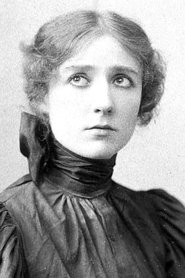
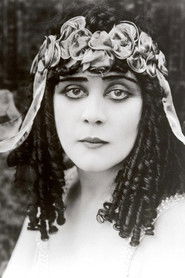
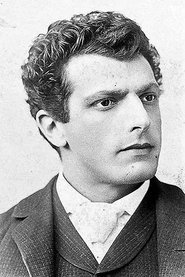
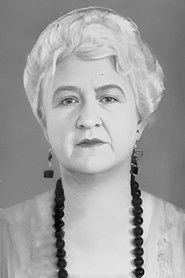
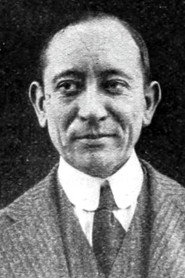
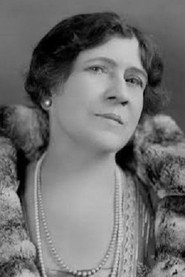
The film stars Nance O'Neil as the conflicted wife, Theda Bara as the envious seductress, and features Henry Bergman, William E. Shay, and Maude Turner Gordon in pivotal supporting roles.
Is Kreutzer Sonata (1915) worth watching?
While dated by modern standards, *Kreutzer Sonata* offers a fascinating glimpse into early silent cinema's dramatic range. Fans of classic romance and Theda Bara's iconic performances will find its themes of jealousy and moral decay intriguing, even if its pacing feels deliberate by today's standards.
How long is Kreutzer Sonata?
*Kreutzer Sonata* has a runtime of 50 minutes.
About Kreutzer Sonata (1915) — Theda Bara's fiery drama of love and betrayal
Immerse yourself in the intense drama *Kreutzer Sonata (1915)*, a silent-era gem directed by Herbert Brenon that explores the volatile intersection of love and obsession. Inspired by Leo Tolstoy's novella, the film weaves a tale of passion and betrayal set against the backdrop of high society's rigid norms. Nance O'Neil delivers a gripping performance as the tormented heroine, while Theda Bara—fresh from her scandalous success in *A Fool There Was*—brings a magnetic intensity as the seductive antagonist. The 50-minute runtime races by as the story builds from whispered desire to reckless infidelity, culminating in a dramatic explosion of jealousy. With its rich romantic themes and morally complex characters, *Kreutzer Sonata* remains a fascinating snapshot of early 20th-century cinema's ability to capture raw human drama.
A film steeped in emotional turbulence, *Kreutzer Sonata* is less a faithful adaptation than a theatrical exploration of marital strife and societal hypocrisy. Brenon's direction infuses the narrative with a feverish energy, translating Tolstoy's themes of possession and ruin into a cinematic experience that lingers long after the final frame. The cast's performances crackle with intensity, making this a standout among the drama and romance films of the era.