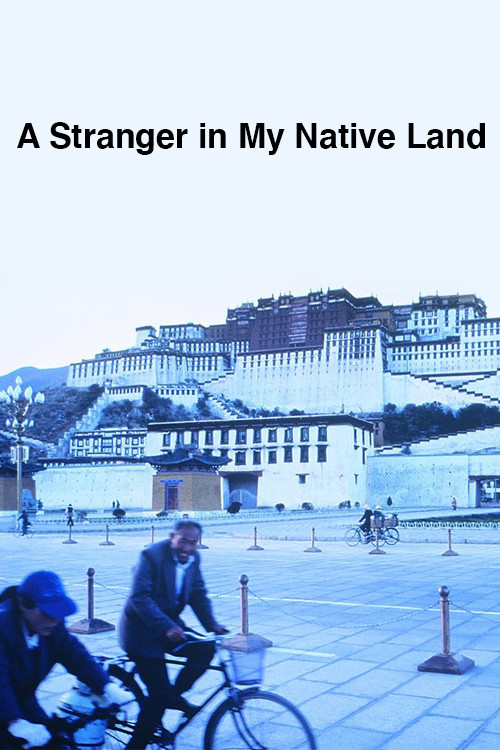
A Stranger in My Native Land 1997
A Stranger in My Native Land (1997) is a deeply moving documentary that captures director Tenzing Sonam's emotional journey back to his ancestral homeland.
Director: Tenzing Sonam
Cast
Frequently Asked Questions
What is A Stranger in My Native Land (1997) about?
This documentary follows director Tenzing Sonam as he returns to his native Tibet for the first time, documenting the stark realities of cultural erasure and political control. The film contrasts the quiet resilience of rural communities with the shifting landscapes of urban Lhasa, offering a raw and intimate perspective on displacement.
Who directed A Stranger in My Native Land?
A Stranger in My Native Land was directed by Tenzing Sonam, a filmmaker known for his deeply personal and politically charged documentaries exploring Tibetan identity.
Who stars in A Stranger in My Native Land?
The documentary features Tenzing Sonam as the central figure and narrator, with additional perspectives from those he encounters during his journey.
Is A Stranger in My Native Land (1997) worth watching?
While the documentary's unrated status means it lacks a crowd-sourced rating, its intimate and thought-provoking approach makes it a compelling watch for fans of political cinema and personal narratives. The themes of exile and cultural preservation are universally resonant.
How long is A Stranger in My Native Land?
A Stranger in My Native Land has a runtime of 33 minutes.
About A Stranger in My Native Land (1997) — A Personal Journey Through Exile and Identity
A Stranger in My Native Land (1997) is a deeply moving documentary that captures director Tenzing Sonam's emotional journey back to his ancestral homeland. The film traces his return from exile in the remote reaches of Amdo Province, where Tibetan language and culture have been systematically suppressed, to the bustling streets of Lhasa. Along the way, Sonam's poignant observations reveal the stark contrasts between memory and reality, tradition and occupation. The atmosphere is one of quiet reflection, as the documentary blends personal narrative with broader themes of identity, displacement, and resilience. Through intimate storytelling, it offers a rare glimpse into the Tibetan experience under modern political pressures.
This cinematic exploration is both a pilgrimage and a revelation, where the filmmaker confronts the physical and emotional landscapes of his birthplace. The documentary's power lies in its raw authenticity, as Sonam navigates a homeland that feels simultaneously familiar and alien. Themes of loss, belonging, and cultural preservation resonate throughout, making it a compelling watch for those interested in Tibetan history and human stories of exile.