Lejtőn 1943
Set in a stark, emotionally charged atmosphere, *Lejtőn* (1943) unfolds as a gripping Hungarian drama that delves into the complexities of human relationships against a backdrop of societal pressures.
Cast

Frequently Asked Questions
What is Lejtőn (1943) about?
*Lejtőn* (1943) is a Hungarian drama that examines the emotional and moral struggles of its characters against the backdrop of a rigid society. The story revolves around their relationships and the tough decisions they face, offering a poignant look at love and sacrifice.
Who directed Lejtőn?
Director information is not available.
Who stars in Lejtőn?
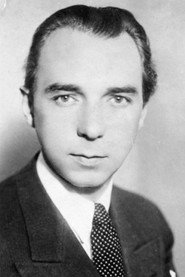
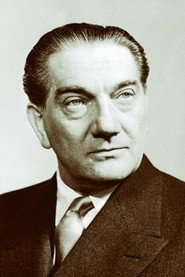
The film features a talented cast including József Timár, Eszter Szilágyi Szabó, and Zoltán Greguss, with standout performances by Ibolya Bilinszky and Rezső Harsányi.
Is Lejtőn (1943) worth watching?
While *Lejtőn* (1943) isn't widely celebrated today, its dramatic themes and strong performances make it an interesting watch for fans of classic Hungarian cinema. Its historical value and emotional depth may appeal to collectors and history buffs.
How long is Lejtőn?
Runtime details are not listed.
About Lejtőn (1943) — Classic Hungarian Drama with Powerful Performances
Set in a stark, emotionally charged atmosphere, *Lejtőn* (1943) unfolds as a gripping Hungarian drama that delves into the complexities of human relationships against a backdrop of societal pressures. The film, helmed by an unknown director, follows a compelling narrative that explores love, sacrifice, and the weight of difficult choices. With a cast led by József Timár and Eszter Szilágyi Szabó, *Lejtőn* captures the raw intensity of its characters' struggles, weaving a story that lingers long after the final scene. Its dramatic tone and poignant themes make it a standout entry in mid-century cinema, offering viewers a glimpse into the emotional landscapes of its era.
Though details about the film's production remain scarce, *Lejtőn*'s focus on intimate, high-stakes drama ensures it remains a fascinating subject for fans of classic Hungarian cinema. The performances by Zoltán Greguss and Ibolya Bilinszky add depth to the film's exploration of morality and redemption, making it a compelling watch for those who appreciate character-driven narratives. Available on multiple devices, this historical gem is a must-see for collectors and cinephiles alike.