For a Wife's Honor 1908
Directed by pioneering filmmaker D.W. Griffith, *For a Wife's Honor (1908)* is a dramatic short that unfolds in the high-stakes world of 1900s theater.
Director: D.W. Griffith
Cast
Frequently Asked Questions
What is For a Wife's Honor (1908) about?
The film follows Irving Robertson, a successful playwright caught between urgent obligations when his play's premiere clashes with financial demands. A sudden visit from a family friend adds unexpected drama to his already hectic day.
Who directed For a Wife's Honor?
For a Wife's Honor was directed by D.W. Griffith, a titan of silent cinema whose innovative techniques shaped early film storytelling.
Who stars in For a Wife's Honor?
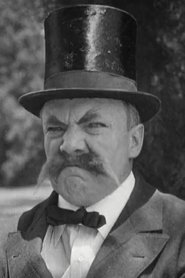
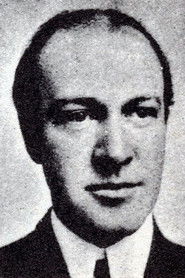
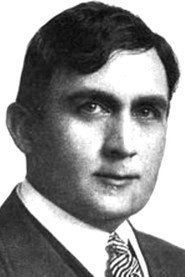
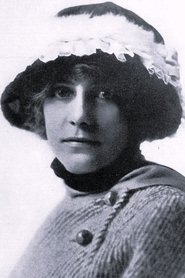
The cast features Charles Inslee, Harry Solter, George Gebhardt, Linda Arvidson, and Arthur V. Johnson in pivotal roles.
Is For a Wife's Honor (1908) worth watching?
As a 1908 silent drama, it's a fascinating artifact of early cinema, offering a glimpse into D.W. Griffith's developing style. While not groundbreaking by modern standards, its historical and thematic depth makes it worthwhile for silent film enthusiasts.
How long is For a Wife's Honor?
For a Wife's Honor runs approximately 8 minutes.
About For a Wife's Honor (1908) — D.W. Griffith's Early Drama Explored
Directed by pioneering filmmaker D.W. Griffith, *For a Wife's Honor (1908)* is a dramatic short that unfolds in the high-stakes world of 1900s theater. The story follows Irving Robertson, a celebrated playwright rushing to attend the premiere of his latest work, only to be interrupted by Henderson, the theater manager demanding unpaid royalties. Just as the tension peaks, Frank Wilson—a close family friend—arrives, adding another layer of drama to an already charged moment. Set against the backdrop of New York's bustling theatrical scene, the film explores themes of ambition, financial struggle, and loyalty, all wrapped in Griffith's signature emotional storytelling.
While brief in runtime, the eight-minute drama delivers a snapshot of early 20th-century life, where creative passion often clashed with financial hardship. The atmospheric tension mirrors the era's evolving entertainment industry, making *For a Wife's Honor* more than just a historical curiosity—it's a window into the genesis of modern filmmaking. Though modest in scale, it reflects Griffith's talent for blending personal drama with broader social commentary, a hallmark of his influential career.