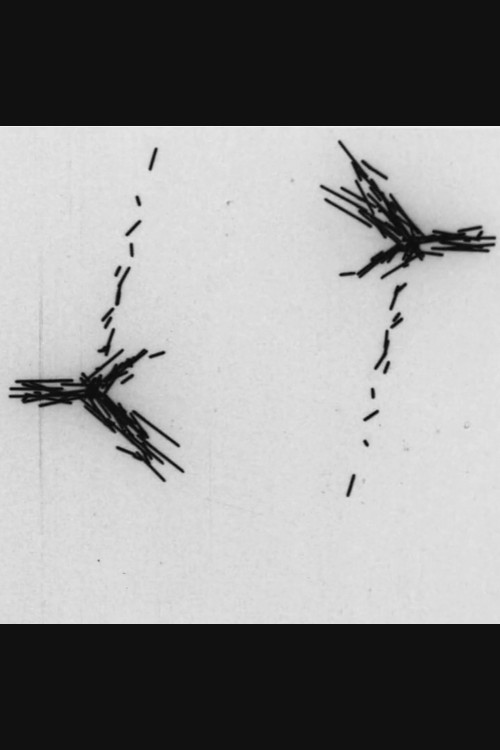
3-D Film 1964
Dive into the groundbreaking experimental short *3-D Film* (1964), directed by A. Michael Noll. This one-minute animation isn't just a glimpse into early computer art—it's a hypnotic exploration of geometry, randomness, and visual rhythm.
Director: A. Michael Noll
Frequently Asked Questions
What is 3-D Film (1964) about?
*3-D Film* (1964) is a one-minute experimental animation that transforms abstract line patterns into a rhythmic visual experience. Created using early computer techniques, it draws inspiration from Richard Lippold's *Orpheus and Apollo*, blending art and technology into a short, looping masterpiece.
Who directed 3-D Film?
The film was directed by A. Michael Noll, a pioneer in computer art and digital media research during the 1960s.
Who stars in 3-D Film?
Cast details for *3-D Film* (1964) are not publicly listed, as it is an experimental animation without credited performers.
Is 3-D Film (1964) worth watching?
While its runtime is minimal, *3-D Film* (1964) offers a fascinating window into early digital art and experimental cinema. Its abstract, looping visuals provide a unique experience for fans of avant-garde filmmaking, though it may not appeal to all audiences.
How long is 3-D Film?
*3-D Film* (1964) has a runtime of approximately 1 minute.
About 3-D Film (1964) — The Early Computer Animation That Redefined Visual Art
Dive into the groundbreaking experimental short *3-D Film* (1964), directed by A. Michael Noll. This one-minute animation isn't just a glimpse into early computer art—it's a hypnotic exploration of geometry, randomness, and visual rhythm. Set against the stark backdrop of black-and-white 16mm film, the piece transforms abstract patterns into a mesmerizing dance of lines, inspired by Richard Lippold's iconic sculpture *Orpheus and Apollo*. Each frame pulses with the tension between order and chaos, offering a fleeting but unforgettable meditation on form and structure.
A product of its avant-garde era, *3-D Film* belongs to a series probing the boundaries of digital and artistic expression. Its concise runtime belies its impact, with the 24-second loop inviting repeat viewings to unravel its cryptic allure. For fans of experimental cinema, this is a must-see—a 1964 relic that still feels futuristic, where technology and artistry collide in a fleeting, luminous burst.