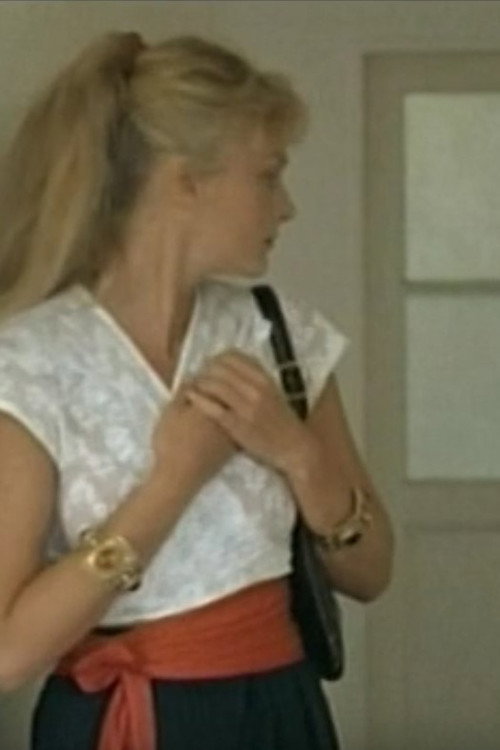
Pauline at the Beach, the Others in the Corridor 2011
Yves-Marie Mahé's *Pauline at the Beach, the Others in the Corridor* (2011) offers a playful yet intriguing reinterpretation of Éric Rohmer's classic *Pauline at the Beach*.
Director: Yves-Marie Mahé
Frequently Asked Questions
What is *Pauline at the Beach, the Others in the Corridor* (2011) about?
This short film reimagines Éric Rohmer's *Pauline at the Beach* by focusing on the left door of a corridor, an element obscured in the original. The two-minute runtime transforms a simple setting into a meditation on unseen narratives and cinematic perspective.
Who directed *Pauline at the Beach, the Others in the Corridor*?
Yves-Marie Mahé directed this experimental homage, blending Rohmer's iconic style with his own creative vision.
Who stars in *Pauline at the Beach, the Others in the Corridor*?
Cast details for this short film are not publicly listed.
Is *Pauline at the Beach, the Others in the Corridor* (2011) worth watching?
While it's an unconventional pick, its brevity and clever reinterpretation make it a compelling watch for fans of Rohmer's work or experimental cinema. The film's depth in such a short runtime is impressive, even if it's not a mainstream choice.
How long is *Pauline at the Beach, the Others in the Corridor*?
The runtime for *Pauline at the Beach, the Others in the Corridor* is 2 minutes.
About Pauline at the Beach, the Others in the Corridor (2011) — A 2-Minute Homage to Éric Rohmer's Genius
Yves-Marie Mahé's *Pauline at the Beach, the Others in the Corridor* (2011) offers a playful yet intriguing reinterpretation of Éric Rohmer's classic *Pauline at the Beach*. Clocking in at just two minutes, this experimental short reimagines Rohmer's corridor scene, shifting the narrative lens to the left door—an element barely glimpsed in the original. The film transforms a familiar setting into a fresh puzzle, inviting viewers to ponder the unseen stories unfolding behind closed doors. With a minimalist approach, Mahé captures the essence of Rohmer's observational style while injecting his own twist, creating a moody, reflective atmosphere that lingers long after the credits roll.
At its heart, this is a film about perspective and absence. The corridor serves as a metaphor for life's hidden pathways, where every open or closed door tells a story. The left door, in particular, becomes a focal point for curiosity, symbolizing the mysteries that lie just beyond our view. Mahé's work is a love letter to cinema's ability to suggest more than it shows, blending homage with innovation in a compact yet powerful package.
Whether you're a Rohmer enthusiast or a newcomer to his work, *Pauline at the Beach, the Others in the Corridor* delivers a brief but impactful cinematic experience. Its brevity belies its depth, leaving audiences with more questions than answers—a testament to its thoughtful construction.