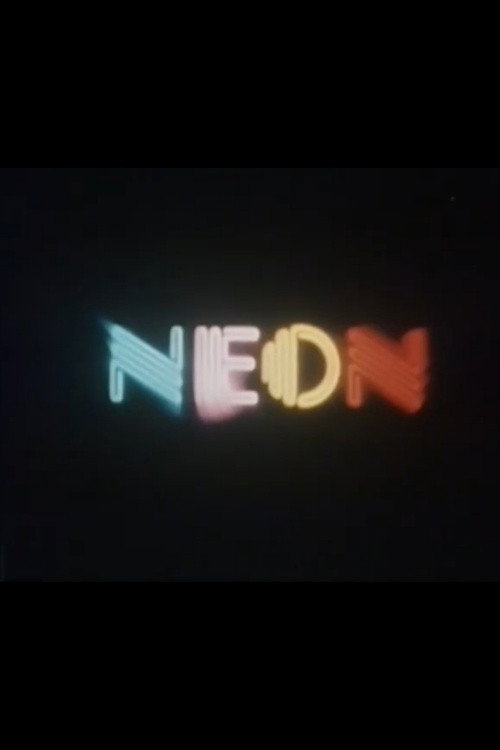
Neon 1980
"Fad Gadget - Ricky's Hand"
Dive into the hypnotic pulse of 1980s underground culture with *Neon* (1980), a mesmerizing 4-minute short film that transforms Sydney's nocturnal streets into a surreal dreamscape.
Director: Salik Silverstein
Frequently Asked Questions
What is Neon (1980) about?
*Neon* is a hypnotic 4-minute journey through Sydney's nocturnal streets, captured through single-frame time-lapse photography. Set to Fad Gadget's pulsating track *Ricky's Hand*, the film transforms cityscapes into a surreal, almost hallucinatory dreamscape, blending urban decay with raw post-punk energy.
Who directed Neon?
Salik Silverstein directed *Neon* (1980), co-creating the project with Alex Proyas in Australia.
Who stars in Neon?
The film features no traditional cast, as it primarily showcases Sydney's nighttime landscapes and Fad Gadget's music video performance.
Is Neon (1980) worth watching?
While *Neon* is a brief 4-minute short with no IMDb rating, its experimental fusion of time-lapse cinematography and synth-punk music offers a unique slice of 1980s underground culture. It's a must-see for fans of avant-garde visuals and post-punk history.
How long is Neon?
The runtime for *Neon* (1980) is 4 minutes.
About Neon (1980) — A 4-minute time-lapse ode to Sydney's neon-drenched nights
Dive into the hypnotic pulse of 1980s underground culture with *Neon* (1980), a mesmerizing 4-minute short film that transforms Sydney's nocturnal streets into a surreal dreamscape. Directed by Salik Silverstein and Alex Proyas, this experimental visual poem syncs seamlessly with Fad Gadget's synth-punk anthem *Ricky's Hand*, blending time-lapse photography with the gritty, electric energy of post-punk aesthetics. The result is a feverish, almost hallucinatory journey through neon-lit urban corridors, where flickering lights and urban decay collide with raw musical intensity.
Belying its brevity, *Neon* captures an era defined by bold experimentation and a restless search for identity. The film's stark monochrome palette and relentless motion evoke a sense of alienation tempered by defiant creativity—its single-frame cinematography turning streets into a canvas of fleeting moments. With *Neon*, Silverstein and Proyas crafted more than a music video; they distilled the spirit of 1980 underground music into a bold, unforgettable visual manifesto.