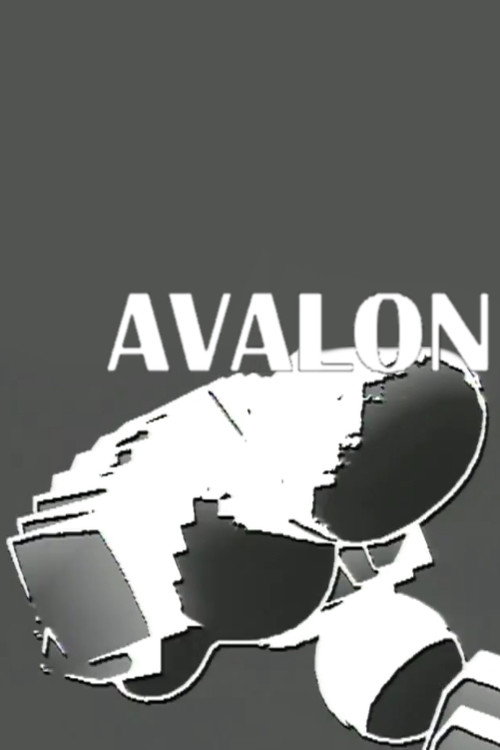
Avalon 2005
Avalon (2005) is a groundbreaking three-minute animated short that doubles as a technical showcase of Bill Etra's cutting-edge digital video synthesizer, "The New Machine.
Director: Bill Etra
Frequently Asked Questions
What is Avalon (2005) about?
Avalon (2005) is a short experimental animation created to showcase Bill Etra's digital video synthesizer, "The New Machine." Set to Django Reinhardt's classic "Avalon," the film uses real-time animation to create hypnotic visuals that sync with the music's rhythm.
Who directed Avalon?
Avalon (2005) was directed by Bill Etra, a pioneering figure in digital video synthesis and experimental animation.
Who stars in Avalon?
Director information is not available.
Is Avalon (2005) worth watching?
While Avalon (2005) is a niche experimental film, its three-minute runtime and innovative visuals make it a fascinating watch for fans of avant-garde animation and jazz. Its historical significance in digital art adds to its appeal.
How long is Avalon?
Avalon (2005) has a runtime of 3 minutes.
About Avalon (2005) — The 3-Minute Animation That Merged Jazz with Digital Art
Avalon (2005) is a groundbreaking three-minute animated short that doubles as a technical showcase of Bill Etra's cutting-edge digital video synthesizer, "The New Machine." Set to Django Reinhardt's iconic jazz standard "Avalon," this experimental piece blends hypnotic visuals with rhythmic patterns, creating a mesmerizing synergy between music and motion. The film's abstract aesthetic and fluid, real-time animation push the boundaries of early 21st-century digital art, offering a glimpse into the future of visual storytelling. Its fleeting runtime enhances its impact, leaving viewers with a sense of wonder and nostalgia for the experimental spirit of the era.
As a prototype demonstration, Avalon (2005) isn't just a movie—it's a testament to innovation in animation. The film's dreamlike sequences and dynamic color palettes draw inspiration from jazz improvisation, mirroring Reinhardt's virtuosic guitar playing with its own visual improvisation. Though brief, its influence on digital art and experimental filmmaking lingers, making it a cult favorite among fans of avant-garde cinema and animation history.