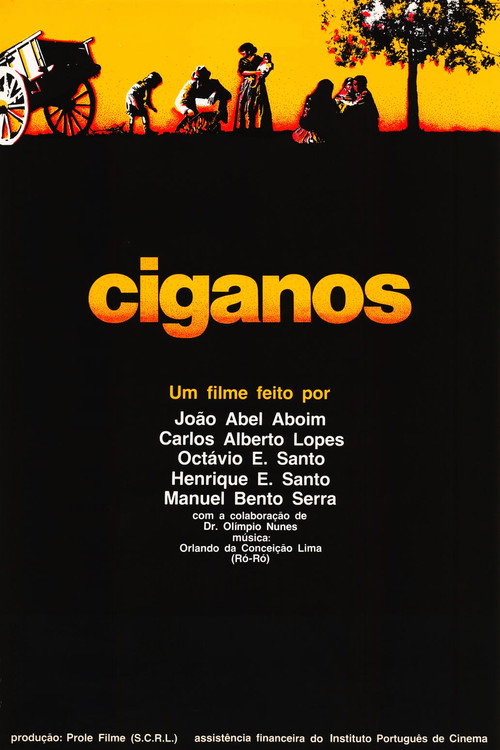
Ciganos 1980
Dive into Portugal's rich cultural tapestry with *Ciganos (1980)*, a compelling documentary directed by João Abel Aboim that explores the deep-rooted history and enduring legacy of the Romani community within the country.
Director: João Abel Aboim
Frequently Asked Questions
What is Ciganos (1980) about?
This documentary delves into the centuries-old story of the Romani people who have made Portugal their home. Through personal accounts and historical analysis, the film examines their cultural impact, traditions, and the challenges they've faced over generations.
Who directed Ciganos?
João Abel Aboim directed *Ciganos*, bringing a sensitive and immersive approach to the subject matter.
Who stars in Ciganos?
Director João Abel Aboim is the central creative figure; cast details for this documentary are not widely documented.
Is Ciganos (1980) worth watching?
*Ciganos* offers a rare and insightful look into Romani life in Portugal, making it a worthwhile watch for those interested in documentary films or cultural history. While it may not be widely rated, its depth and authenticity provide value beyond typical entertainment.
How long is Ciganos?
*Ciganos* has a runtime of 53 minutes.
About Ciganos (1980) — A Glimpse into Portugal's Romani Community Through Film
Dive into Portugal's rich cultural tapestry with *Ciganos (1980)*, a compelling documentary directed by João Abel Aboim that explores the deep-rooted history and enduring legacy of the Romani community within the country. This 53-minute film weaves together oral histories, archival footage, and personal narratives to paint a vivid portrait of a people whose presence spans centuries. Through a lens that balances reverence and realism, the documentary captures the resilience, traditions, and struggles of the Romani people, offering viewers a chance to connect with a culture often overlooked in mainstream narratives.
Set against the backdrop of Portugal's landscapes and urban spaces, *Ciganos* unfolds with a quiet intensity, inviting audiences to reflect on themes of identity, belonging, and the passage of time. Aboim's direction lends the film a contemplative rhythm, making it both an educational journey and a moving experience for those interested in ethnography and social history. Whether you're a documentary enthusiast or simply curious about the Romani experience in Portugal, this film provides a unique and thought-provoking perspective.