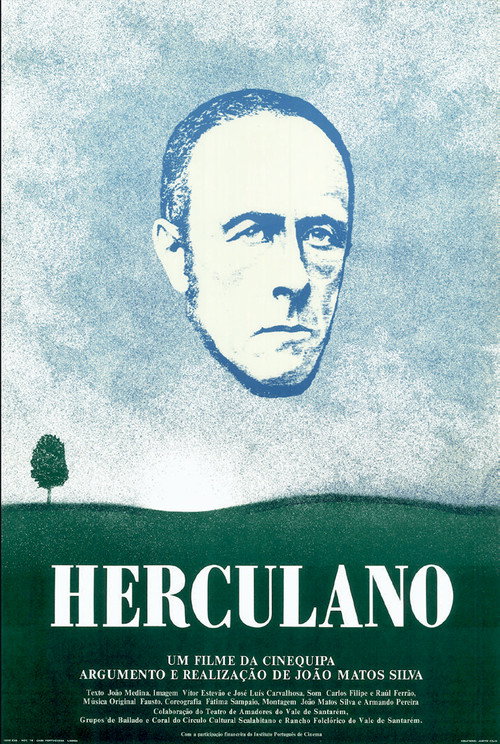
Herculano 1981
Step back into 1981 with João Matos Silva's intimate documentary Herculano (1981), a poetic commemoration marking the centenary of famed Portuguese historian and writer Alexandre Herculano's passing.
Director: João Matos Silva
Frequently Asked Questions
What is Herculano (1981) about?
This 25-minute documentary honors the centenary of historian Alexandre Herculano's death through archival imagery and reflective narration. It explores his intellectual influence and lasting cultural impact in Portugal during the 19th century.
Who directed Herculano?
João Matos Silva directed Herculano (1981), crafting a thoughtful, visually rich short film that frames the centenary with care.
Who stars in Herculano?
Herculano (1981) is a documentary, so it features no traditional cast; it centers on the life and legacy of Alexandre Herculano through archival material and expert commentary.
Is Herculano (1981) worth watching?
Though brief and unrated, Herculano (1981) offers a fascinating glimpse into Portuguese intellectual history and filmmaking of the era. Its focused tribute makes it a hidden gem for history buffs and fans of early documentary style.
How long is Herculano?
Herculano (1981) runs for 25 minutes.
About Herculano (1981) — A 25-minute cinematic tribute to Alexandre Herculano's enduring legacy
Step back into 1981 with João Matos Silva's intimate documentary Herculano (1981), a poetic commemoration marking the centenary of famed Portuguese historian and writer Alexandre Herculano's passing. Through archival footage, thoughtful narration, and the quiet beauty of early 80s filmmaking, the short film reawakens the life and intellectual legacy of a figure who shaped 19th-century Portuguese culture. The atmosphere is contemplative yet spirited, blending solemn reflection with a gentle tribute that feels both personal and public, inviting viewers to connect with history beyond the page.
Herculano (1981) may be brief at just 25 minutes, but it distills decades of influence into a concise visual essay. The film transcends a simple biographical recount by weaving themes of memory, identity, and national consciousness—hallmarks of Herculano's own writings—into its visual rhythm. Audiences are treated not just to facts, but to a mood: one of quiet reverence, intellectual curiosity, and the enduring power of ideas across time.