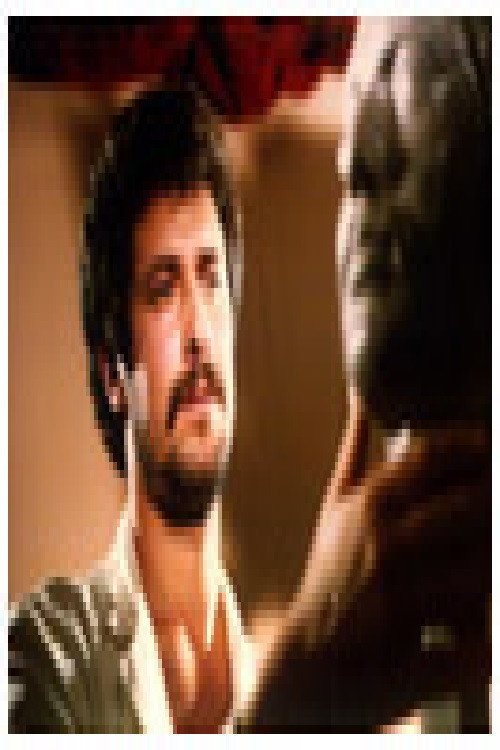
A Head 1979
A Head (1979) is a hauntingly brief yet profound short drama directed by Vangel 'Laki' Čemčev, where a single clay figure comes to life through the hands of a sculptor.
Director: Vangel 'Laki' Čemčev
Cast
Frequently Asked Questions
What is A Head (1979) about?
A Head is a short drama that follows a sculptor as he crafts a clay head, a labor of memory rooted in a violent childhood event. The film uses the creation of the sculpture to explore themes of trauma, loss, and the way art can both preserve and distort the past.
Who directed A Head?
A Head was directed by Vangel 'Laki' Čemčev, a filmmaker known for his evocative and atmospheric storytelling.
Who stars in A Head?
The cast of A Head includes Aleksandar Šehtanski, who delivers a poignant performance as the sculptor.
Is A Head (1979) worth watching?
While A Head is unrated on IMDb and runs just eight minutes, its stark visual storytelling and emotional depth make it a compelling watch for fans of short-form drama. Its themes of memory and artistry resonate beyond its brief runtime, offering a unique cinematic experience.
How long is A Head?
A Head has a runtime of 8 minutes.
About A Head (1979) — A Short Drama on Memory and Art
A Head (1979) is a hauntingly brief yet profound short drama directed by Vangel 'Laki' Čemčev, where a single clay figure comes to life through the hands of a sculptor. The film traces the creation of the head as a tangible homage to a chilling childhood memory—one where a severed head was displayed on a spike, leaving an indelible imprint on the artist's mind. Shot in just eight minutes, this atmospheric piece blends raw emotion with symbolic storytelling, exploring themes of trauma, memory, and the unsettling power of art. The clay head becomes a vessel for past horrors, transforming an abstract fear into something tangible and deeply moving.
The eerie simplicity of A Head (1979) lingers long after the credits roll, thanks to Čemčev's deft direction and the stark visual contrast between the malleable clay and the hardened reality it represents. Aleksandar Šehtanski delivers a quietly powerful performance, embodying both the sculptor and the weight of his haunting inspiration. As a drama, the film strips away excess to focus on raw human emotion, making it a standout in its genre—a brief but unforgettable meditation on how art grapples with the unimaginable.