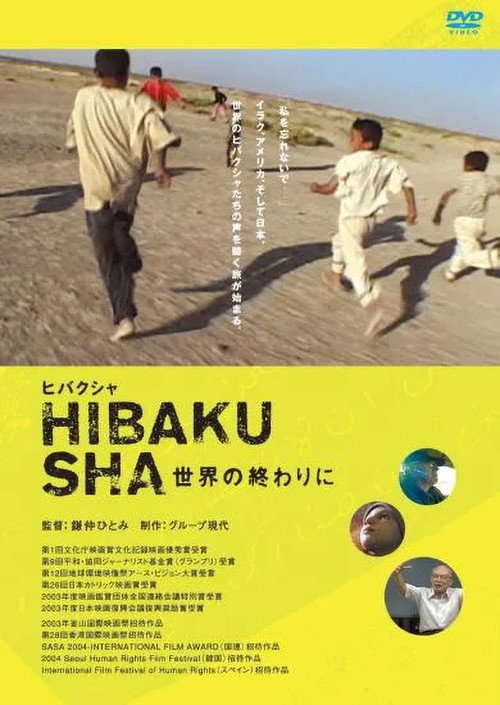
Hibakusha: At the End of the World 2003
A haunting meditation on modern legacy and invisible scars, *Hibakusha: At the End of the World* (2003) explores the enduring impact of nuclear catastrophe through the lives of its youngest survivors.
Frequently Asked Questions
What is Hibakusha: At the End of the World (2003) about?
This documentary follows a new wave of Hiroshima and Nagasaki survivors—known as Hibakusha—whose lives remain profoundly altered by the atomic bombings decades later. Through personal stories and serene visuals, it reveals how the nuclear age's invisible scars echo through generations.
Who directed Hibakusha: At the End of the World?
Director information is not available.
Who stars in Hibakusha: At the End of the World?
The film features survivors and witnesses of nuclear history, though the main cast is not publicly listed.
Is Hibakusha: At the End of the World (2003) worth watching?
While not widely rated, its thoughtful approach to a heavy subject and restrained visual storytelling make it a compelling watch for history and documentary enthusiasts who appreciate quiet, reflective films.
How long is Hibakusha: At the End of the World?
The runtime is 91 minutes.
About Hibakusha: At the End of the World (2003) — A haunting look at the nuclear age's youngest survivors
A haunting meditation on modern legacy and invisible scars, *Hibakusha: At the End of the World* (2003) explores the enduring impact of nuclear catastrophe through the lives of its youngest survivors. Directed by an unnamed filmmaker, this 91-minute documentary drifts between personal testimonies and stark landscapes, painting a fragile portrait of people caught between past and future. The film eschews sensationalism, instead focusing on quiet resilience and the quiet dread of living in a world forever shadowed by radiation. Its atmospheric tone is one of understated urgency, blending archival whispers with contemporary reflections on humanity's most dangerous inventions.
Through intimate interviews and evocative cinematography, the movie redefines what it means to be a Hibakusha—not just a survivor of Hiroshima or Nagasaki, but anyone living in the long shadow of the nuclear age. Without dramatizing the disaster itself, it asks viewers to consider how invisible wounds shape identity, memory, and hope. For those seeking a thoughtful, visually poetic take on global trauma, this film lingers like a slow-burning memory.