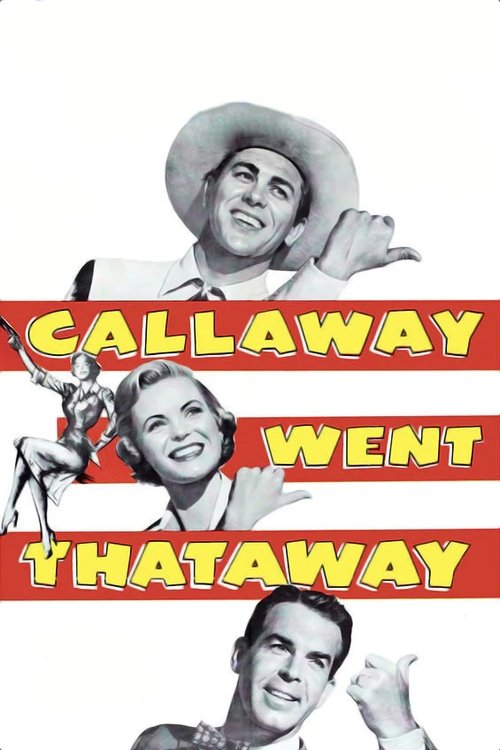
Callaway Went Thataway 1951
"M-G-M's new comedy hit!"
In *Callaway Went Thataway (1951)*, a clever marketing duo breathes new life into forgotten Western classics by bringing the legendary cowboy Smoky Callaway to television screens.
Director: Melvin Frank
Cast

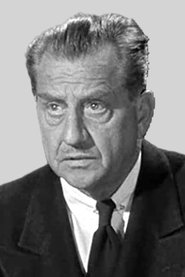
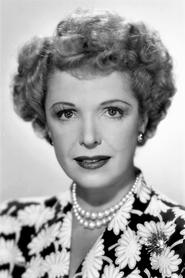
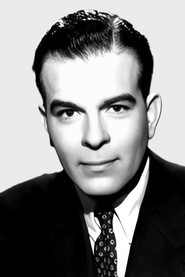
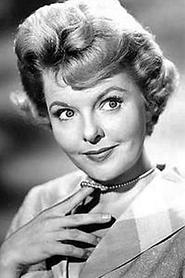
Frequently Asked Questions
What is Callaway Went Thataway (1951) about?
*Callaway Went Thataway (1951)* follows a pair of savvy marketers who repurpose old Western films featuring the legendary Smoky Callaway for television. When the real cowboy vanishes, they hire a doppelgänger to play his role—only for the real star to resurface, creating a comedic showdown between illusion and reality.
Who directed Callaway Went Thataway?
The film was directed by Melvin Frank, known for his sharp comedic timing and knack for blending humor with social commentary.
Who stars in Callaway Went Thataway?
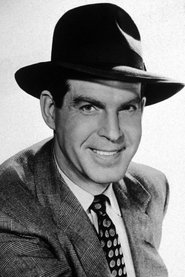
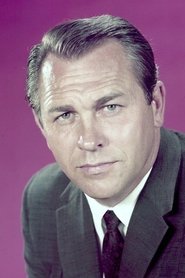
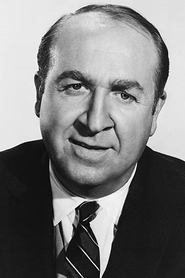
The cast includes Fred MacMurray as the lead marketer, Dorothy McGuire as his partner-in-crime, Howard Keel as the imposter Smoky Callaway, and supporting roles from Jesse White and Fay Roope.
Is Callaway Went Thataway (1951) worth watching?
As a vintage comedy-Western hybrid, *Callaway Went Thataway (1951)* offers a fun, nostalgic escape with its clever premise and charming performances. While it may not be a cinematic masterpiece, its wit and lighthearted absurdity make it a worthwhile watch for fans of classic Hollywood charm.
How long is Callaway Went Thataway?
The film runs for 82 minutes, making it a perfect bite-sized escape into mid-century entertainment.
About Callaway Went Thataway (1951) — When Hollywood's Wild West meets a case of mistaken identity
In *Callaway Went Thataway (1951)*, a clever marketing duo breathes new life into forgotten Western classics by bringing the legendary cowboy Smoky Callaway to television screens. Directed by Melvin Frank, this lighthearted comedy blends the nostalgia of old Hollywood with the fast-paced energy of post-war entertainment. With Fred MacMurray and Dorothy McGuire at the helm, the film captures the playful chaos of deception, fame, and mistaken identity in a world where image often trumps reality.
The story takes a delightfully absurd turn when the team, desperate to capitalize on the sudden demand for Callaway's return, recruits a lookalike to stand in for the vanished star. Their scheme spirals into hilarity as the real Smoky Callaway resurfaces, turning a simple publicity stunt into a high-stakes game of cat and mouse. With sharp wit and classic Western charm, *Callaway Went Thataway (1951)* delivers a timeless satire on Hollywood's obsession with stardom.