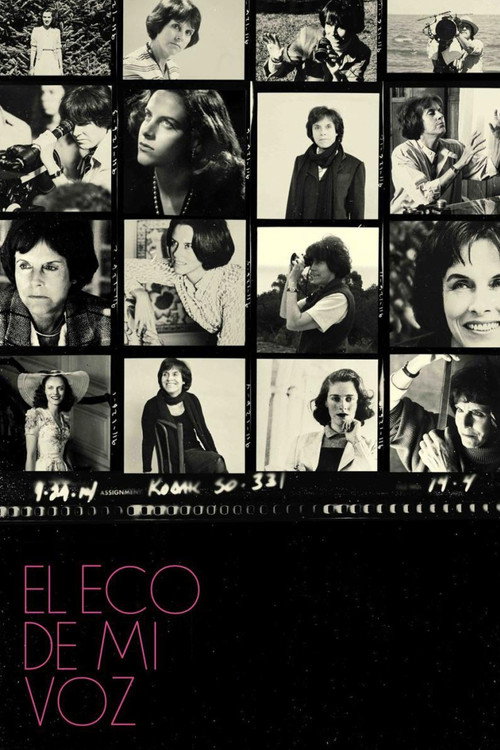
María Luisa Bemberg: The Echo of My Voice 2021
Dive into the world of María Luisa Bemberg: The Echo of My Voice (2021), a compelling documentary directed by Alejandro Maci that illuminates the life and legacy of one of Argentina's most provocative filmmakers.
Director: Alejandro Maci
Cast

Frequently Asked Questions
What is María Luisa Bemberg: The Echo of My Voice (2021) about?
This documentary traces the life and career of Argentine filmmaker María Luisa Bemberg, whose privileged upbringing in one of the country's most powerful families shaped her perspective as an artist. Through her films, she examined the lives of women in high society across different historical periods, using her unique vantage point to critique gender roles and societal norms.
Who directed María Luisa Bemberg: The Echo of My Voice?
Alejandro Maci directs this intimate portrait of María Luisa Bemberg, blending archival material with fresh interviews to highlight her influence on Argentine cinema.
Who stars in María Luisa Bemberg: The Echo of My Voice?
The documentary primarily features María Luisa Bemberg, with insights from those who knew her work and legacy firsthand.
Is María Luisa Bemberg: The Echo of My Voice (2021) worth watching?
If you're intrigued by the intersection of privilege, art, and social commentary, this documentary is a must-watch. As an unrated film focused on a trailblazing female director, it offers a rare glimpse into the mind of a woman who used her voice to challenge the norms of her time.
How long is María Luisa Bemberg: The Echo of My Voice?
The documentary runs for 90 minutes, offering a concise yet immersive exploration of María Luisa Bemberg's life and work.
🎥 Trailer
About María Luisa Bemberg: The Echo of My Voice (2021) — Unpacking Argentina's feminist cinematic pioneer
Dive into the world of María Luisa Bemberg: The Echo of My Voice (2021), a compelling documentary directed by Alejandro Maci that illuminates the life and legacy of one of Argentina's most provocative filmmakers. Born into the privileged elite—her family's Quilmes brewery empire shaped a nation—Bemberg turned her insider perspective into sharp, socially resonant cinema. This film explores how her upbringing in Argentina's upper crust informed her storytelling, as she used the lens of privilege to dissect the power dynamics of eras gone by, particularly the constraints faced by women across different historical periods. Through intimate interviews and archival footage, the documentary captures Bemberg's unapologetic voice and her role as a cultural commentator who wielded art as a tool for critique and change.
The film unfolds with a quiet intensity, mirroring the introspective nature of its subject. Bemberg's films, often set in high-society milieus, serve as a backdrop for her exploration of female agency and societal expectations. The documentary doesn't just recount her biography; it breathes life into her ideas, revealing how her privileged background became the very framework through which she challenged the status quo. With a runtime of 90 minutes, it's a concise yet rich tribute to a filmmaker who left an indelible mark on Argentine cinema—one that continues to resonate with audiences interested in the intersection of art, class, and gender.