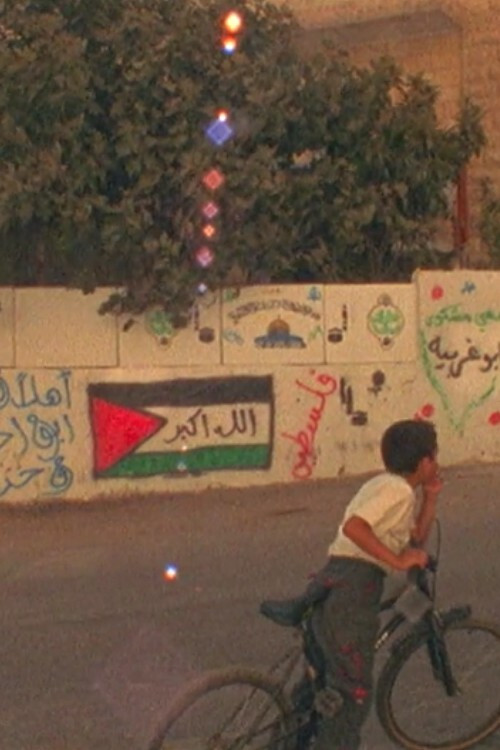
Dahiet Al Bareed, District of the Post Office 2002
Directed by Rosalind Nashashibi, *Dahiet Al Bareed, District of the Post Office* (2002) captures a single, stifling afternoon in a once-thriving utopian suburb designed for Palestinian postal workers.
Director: Rosalind Nashashibi
Frequently Asked Questions
What is *Dahiet Al Bareed, District of the Post Office* (2002) about?
The film documents a desolate afternoon in a former utopian suburb for Palestinian postal workers, now trapped between occupied East Jerusalem and Ramallah. It explores themes of abandonment and political limbo through stark, documentary-style visuals.
Who directed *Dahiet Al Bareed, District of the Post Office*?
Rosalind Nashashibi directed this atmospheric short documentary.
Who stars in *Dahiet Al Bareed, District of the Post Office*?
Cast details for this film are not publicly listed.
Is *Dahiet Al Bareed, District of the Post Office* (2002) worth watching?
As a short documentary, it offers a unique, meditative look at political geography and memory. While niche, its visual storytelling and thematic depth make it compelling for fans of experimental or politically charged cinema.
How long is *Dahiet Al Bareed, District of the Post Office*?
The film runs for 7 minutes.
About Dahiet Al Bareed, District of the Post Office (2002) — A haunting portrait of a forgotten Palestinian suburb
Directed by Rosalind Nashashibi, *Dahiet Al Bareed, District of the Post Office* (2002) captures a single, stifling afternoon in a once-thriving utopian suburb designed for Palestinian postal workers. Now stranded between East Jerusalem's occupied territory and Ramallah, this no-man's-land has slipped into lawlessness, its streets silent and its future uncertain. The film transforms a mundane setting into a haunting meditation on displacement, where architecture and abandonment collide under a relentless sun.
Nashashibi's documentary lenses converge on the overlooked—a place stripped of its purpose, its residents, and its identity. The abandoned streets and half-built structures become characters in their own right, whispering stories of lost ideals and the slow erosion of community. With minimal dialogue and a focus on atmosphere, the short film lingers like the heat itself, making it a poignant study of how political borders reshape lives and landscapes without a single gunshot fired.