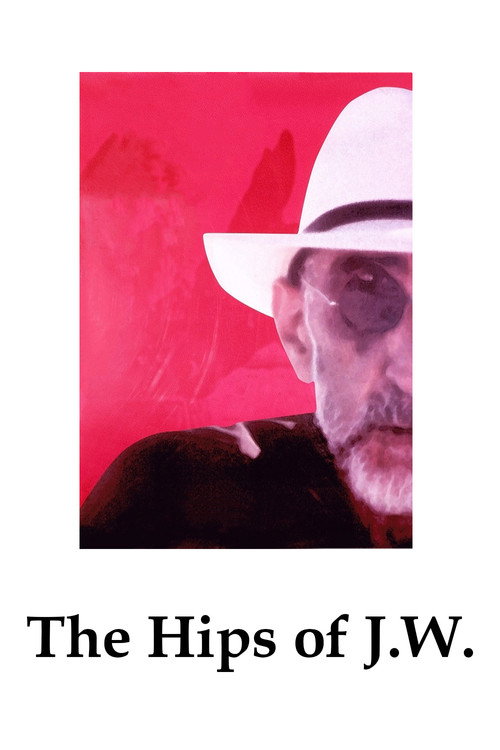
The Hips of J.W. 1997
João César Monteiro's offbeat 1997 comedy *The Hips of J.W.* plunges viewers into a surreal duel between art and life, where two actors locked in a Strindberg play suddenly find their roles spilling into reality.
Director: João César Monteiro
Cast





Frequently Asked Questions
What is *The Hips of J.W.* (1997) about?
Two actors performing Strindberg's *Inferno* unexpectedly step into their roles outside the theater, sparking a spirited clash between one's John Wayne fixation and the other's devilish directorial ambitions. Their rivalry intensifies when they encounter a mysterious author claiming to be God, intent on scripting their next grand performance.
Who directed *The Hips of J.W.*?
The film was directed by João César Monteiro, the Portuguese auteur known for his idiosyncratic blending of comedy and existential inquiry.
Who stars in *The Hips of J.W.*?
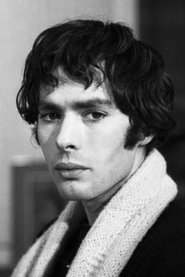
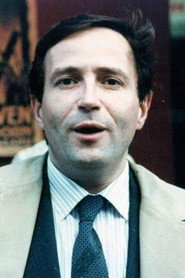
The cast features Hugues Quester as Max Monteiro, Pierre Clémenti as Jean de Dieu, alongside Joana Azevedo, Jean Watan, and Manuela de Freitas.
Is *The Hips of J.W.* (1997) worth watching?
While it's a niche pick for fans of avant-garde cinema, its philosophical wit and striking visuals make it a rewarding experience for those drawn to Monteiro's unique vision. The lack of IMDb rating leaves mystery in the mix, but its cult appeal speaks volumes.
How long is *The Hips of J.W.*?
The film runs for 148 minutes, offering ample time for its meandering, thought-provoking journey.
About The Hips of J.W. (1997) — A surreal comedy of actors, obsessions, and divine theatrics
João César Monteiro's offbeat 1997 comedy *The Hips of J.W.* plunges viewers into a surreal duel between art and life, where two actors locked in a Strindberg play suddenly find their roles spilling into reality. Max Monteiro, a spiritually tormented performer obsessed with John Wayne's iconic swagger, squares off against his co-star and director Jean de Dieu, whose Luciferian mischief and staging ambitions set the stage for a philosophical showdown. Alongside them wanders an enigmatic author playing God, weaving another layer of narrative intrigue that blurs the line between director, deity, and destiny.
With its meandering 148-minute runtime, the film luxuriates in dreamlike digressions, probing themes of obsession, rivalry, and divine theatrics. Monteiro's signature blend of erudite absurdity and earthy humor paints a world where sacred and profane collide, leaving audiences both amused and quietly unsettled by the theatricality of existence itself.