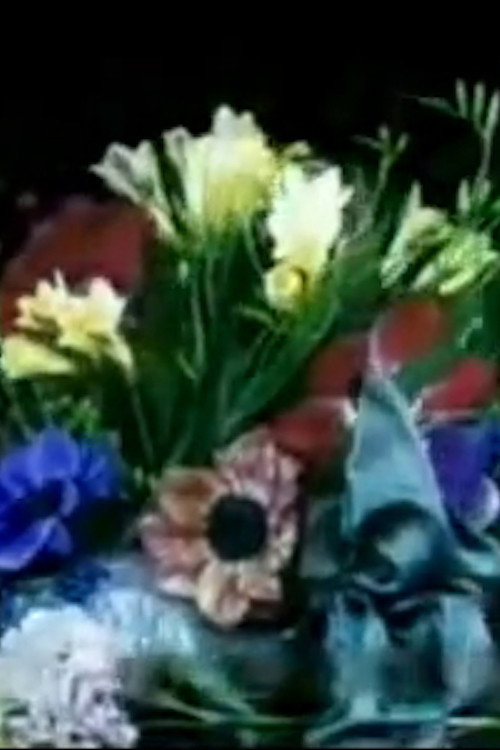
Flowers 1912
Discover *Flowers (1912)*, a groundbreaking short film that pioneered early color cinematography. This seven-minute gem showcases the innovative Gaumont Chronochrome three-colour additive process, a rare and experimental technique for its time.
Frequently Asked Questions
What is Flowers (1912) about?
*Flowers (1912)* is a short film that celebrates the beauty of nature through the lens of early color cinematography. It captures a delicate moment in time, using vibrant hues to bring flowers and their surroundings to life in ways that were unprecedented for its era.
Who directed Flowers?
Director information is not available.
Who stars in Flowers?
Cast details for *Flowers (1912)* are not listed, leaving its performers a mystery.
Is Flowers (1912) worth watching?
While *Flowers (1912)* is more of a historical curiosity than a narrative masterpiece, its technical innovation makes it fascinating for film enthusiasts. The seven-minute runtime is brief, but its place in cinema history as one of the earliest color films justifies its watch—for those curious about the evolution of film technology.
How long is Flowers?
The runtime of *Flowers (1912)* is approximately 7 minutes.
🎥 Trailer
About Flowers (1912) — The Dawn of Color in Cinema
Discover *Flowers (1912)*, a groundbreaking short film that pioneered early color cinematography. This seven-minute gem showcases the innovative Gaumont Chronochrome three-colour additive process, a rare and experimental technique for its time. Imagine the visual magic of vibrant hues brought to life on the silver screen when monochrome was the norm—this was revolutionary. The film's title suggests a poetic harmony between nature and artistry, capturing a fleeting moment of beauty that feels almost timeless. While details about the director and cast remain lost to history, the film's significance lies in its technical achievement, offering a glimpse into the dawn of color filmmaking.
Though modest in runtime, *Flowers (1912)* stands as a testament to the relentless experimentation of early filmmakers. Its existence challenges our perceptions of silent-era cinema, proving that even brief works could push boundaries. The use of color wasn't just a gimmick but an artistic choice, evoking emotions and atmospheres that black-and-white films couldn't. For cinephiles and historians alike, this short film is a captivating artifact—an early brushstroke in the evolution of cinema's visual language.