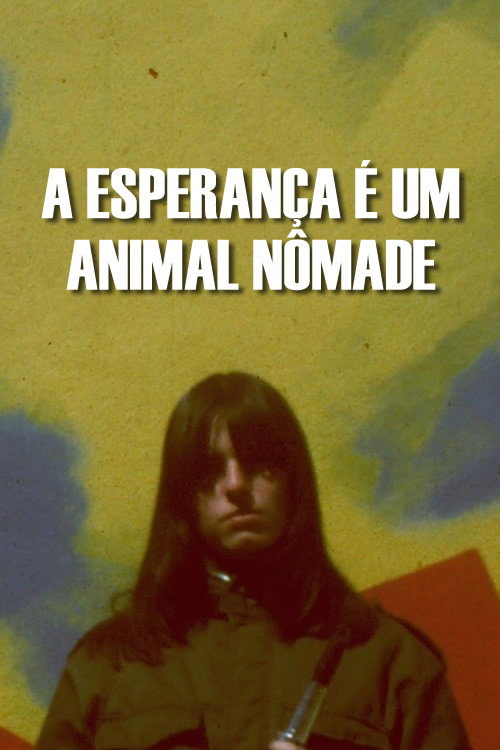
A Esperança é um Animal Nômade 1981
A brisk nine-minute Brazilian short film from 1981, *A Esperança é um Animal Nômade* captures the restless spirit of its title in a poetic meditation on wandering and longing.
Director: Geneton Moraes Neto
Cast

Frequently Asked Questions
What is *A Esperança é um Animal Nômade* (1981) about?
This 1981 Brazilian short film explores themes of displacement and the human need to wander. Through fragmented scenes and poetic imagery, it delves into the emotional and physical landscapes left behind by those in constant motion.
Who directed *A Esperança é um Animal Nômade*?
The film was directed by Geneton Moraes Neto, a filmmaker known for his experimental approach and contributions to Brazilian cinema during the 1980s.
Who stars in *A Esperança é um Animal Nômade*?
The cast features Iracema Cunha, Elizabeth Passi, Fernando Correia da Silva, Rafael Vildeuil, and Jomard Muniz de Britto in key roles.
Is *A Esperança é um Animal Nômade* (1981) worth watching?
As an unrated short film with a unique experimental tone, it offers a brief but memorable cinematic experience. Its poetic exploration of wandering may appeal to fans of thoughtful, atmospheric cinema.
How long is *A Esperança é um Animal Nômade*?
The film runs for 9 minutes.
🎥 Trailer
About A Esperança é um Animal Nômade (1981) — A poetic short film on wandering and the search for belonging
A brisk nine-minute Brazilian short film from 1981, *A Esperança é um Animal Nômade* captures the restless spirit of its title in a poetic meditation on wandering and longing. Directed by Geneton Moraes Neto, the film weaves together themes of displacement and the search for meaning through intimate, loosely connected vignettes. The atmosphere is dreamlike and fragmented, with a visual language that feels both personal and universal, making it a fascinating artifact of early 1980s Brazilian cinema.
Starring Iracema Cunha, Elizabeth Passi, Fernando Correia da Silva, and Rafael Vildeuil, the film offers a collage of human experiences—each character a wanderer in their own right. While the genre remains unlisted, the experimental tone and concise runtime suggest a work that prioritizes mood and idea over conventional storytelling. *A Esperança é um Animal Nômade* invites viewers to ponder the ecological and emotional landscapes left behind by those who never truly settle.