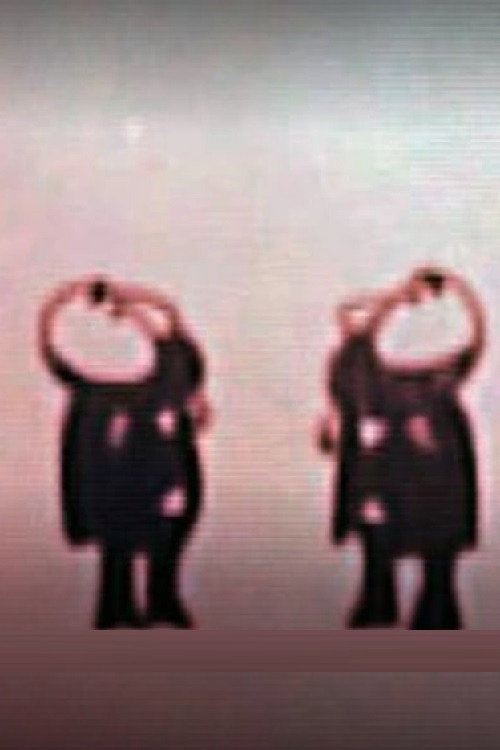
The Cube 1972
This ultra-short animated gem from 1972, helmed by director Pavao Štalter, turns a simple argument between two gentlemen into a visually inventive meditation on weight—both literal and philosophical.
Director: Pavao Štalter
Frequently Asked Questions
What is The Cube (1972) about?
The film follows two men engaged in a heated argument, using a geometric cube to symbolize the escalating tension and unspoken weight of their disagreement. It's a playful yet thought-provoking take on how conflict can feel heavier than it appears.
Who directed The Cube?
The Cube was directed by Pavao Štalter, an animator known for exploring abstract themes in short-form cinema.
Who stars in The Cube?
Cast details for The Cube (1972) are not publicly listed, as it appears to be a purely visual experiment.
Is The Cube (1972) worth watching?
While it's a niche pick, The Cube is a clever, visually striking 60-second film that rewards viewers with its sharp pacing and thematic depth. Its brevity and creativity make it ideal for animation enthusiasts or those seeking a quick, intellectual palate cleanser.
How long is The Cube?
The Cube (1972) runs for exactly 1 minute.
About The Cube (1972) — A 1-Minute Animated Debate with Deep Meaning
This ultra-short animated gem from 1972, helmed by director Pavao Štalter, turns a simple argument between two gentlemen into a visually inventive meditation on weight—both literal and philosophical. Set against a stripped-down aesthetic, the film explores the tension and momentum of opposing viewpoints, capturing the push-and-pull of human discourse in just 60 seconds. The Cube (1972) blends minimalism with profound wit, using geometry and motion to mirror emotional friction, making it a fascinating artifact of early animation philosophy.
Though sparse in runtime, its clever pacing and symbolic use of space transform a mundane disagreement into a layered allegory about perspective and pressure. The film's stark visuals and rhythmic editing invite viewers to reflect on how weight isn't just measured—it's felt, argued, and ultimately, shared.