The Anatomy of Melancholy 1999
Brian L.
Director: Brian L. Frye
Frequently Asked Questions
What is The Anatomy of Melancholy (1999) about?
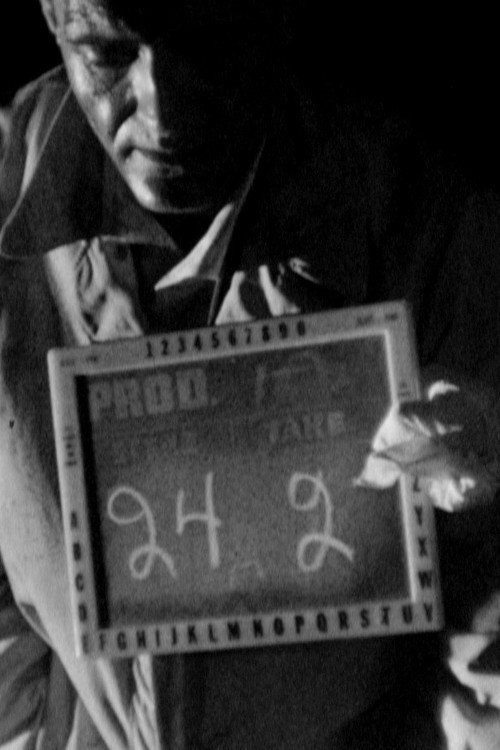
This 11-minute short revives unseen footage from a 1960s-era experimental film, where amateurs in a moonlit field deliver overwrought monologues under car headlights. Director Brian L. Frye reshaped the outtakes into a hypnotic meditation on forgotten artistry and fleeting emotion.
Who directed The Anatomy of Melancholy?
The film was directed by experimental filmmaker Brian L. Frye, known for his work in avant-garde cinema and archival reinterpretation.
Who stars in The Anatomy of Melancholy?
Runtime and cast details are not specified, reflecting the film's status as an archival collage of anonymous performers.
Is The Anatomy of Melancholy (1999) worth watching?
As a niche experimental short, it's a fascinating watch for fans of obscure cinema and atmospheric storytelling. Its brevity and themes of forgotten artistry make it a unique, if divisive, experience—best approached with patience and curiosity.
How long is The Anatomy of Melancholy?
The film runs 11 minutes.
About The Anatomy of Melancholy (1999) — A 1960s short film's haunting outtakes reimagined
Brian L. Frye's *The Anatomy of Melancholy (1999)* unfolds like a haunting time capsule from the 1960s, when a Kansas City chiropractor crafted *A Portrait of Fear*—a cryptic short film featuring silhouetted amateurs delivering overwrought monologues under flickering car headlights. The 11-minute piece, shot in stark black-and-white reversal on an Auricon camera, captures a raw, unsettling atmosphere where dialogue drips with melodramatic intensity. Frye later acquired the outtakes, stitching them together into this eerie collage of forgotten performances and nocturnal tension. The result is less a narrative and more an experiment in mood, blending amateurism with a deliberate, almost hypnotic rhythm that lingers long after the credits roll.
Few films blur the line between artifact and art as *The Anatomy of Melancholy* does, offering a peek into a era of unfiltered creativity and unintentional strangeness. Its themes of isolation and performative despair resonate through the grainy visuals and fragmented sound, evoking a sense of slow-burning dread. A cult curiosity for cinephiles, it's a snapshot of filmmaking at its most unvarnished—where imperfections become the star.