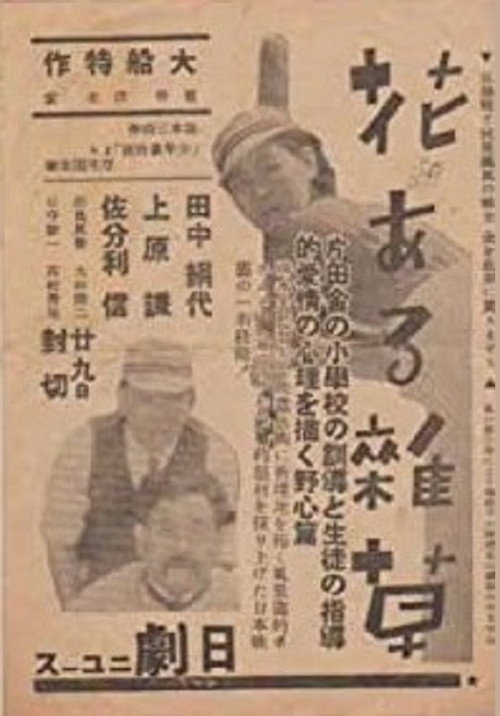
Weeds with flowers 1939
In Hiroshi Shimizu's 1939 drama *Weeds with Flowers*, a quiet resilience blooms against the harsh realities of life. Set in a world where hardship and hope intertwine, the film follows ordinary people navigating personal struggles with quiet dignity.
Director: Hiroshi Shimizu
Cast
Teruo Furuya
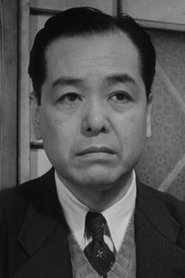
Shinichi Himori
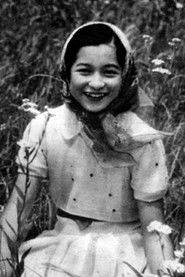
Sachiko Mitani
Toyoko Nakada
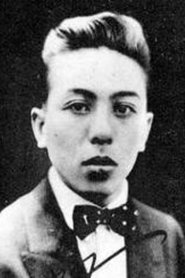
Shin'yō Nara

Seiji Nishimura
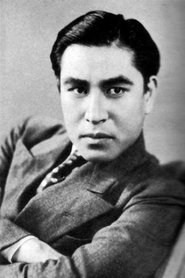
Shin Saburi
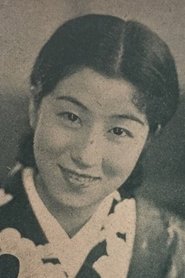
Setsuko Shinobu
Eiko Takamatsu
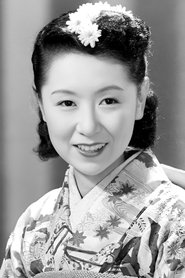
Kinuyo Tanaka
Frequently Asked Questions
What is Weeds with Flowers (1939) about?
The film explores the lives of everyday people facing personal and societal challenges, where small acts of kindness and resilience shine through adversity. Set in a time of economic hardship, it portrays characters who, despite their struggles, find moments of grace and connection.
Who directed Weeds with Flowers?
Hiroshi Shimizu, a master of humanist cinema, directed the film. Known for his empathetic storytelling, Shimizu often focused on marginalized characters, making this drama a quintessential example of his style.
Who stars in Weeds with Flowers?
Led by Teruo Furuya and Shinichi Himori, the cast includes Sachiko Mitani, Toyoko Nakada, and Shin'yō Nara, each bringing depth to the film's ensemble of everyday heroes.
Is Weeds with Flowers (1939) worth watching?
While unrated on IMDb, Shimizu's film is a hidden gem for fans of classic drama. Its themes of resilience and humanity, paired with Shimizu's distinctive visual storytelling, make it a rewarding watch for those who appreciate thoughtful cinema.
How long is Weeds with Flowers?
The film runs for 75 minutes, offering a concise yet impactful cinematic experience.
About Weeds with Flowers (1939) — A Poignant Drama of Struggle and Resilience
In Hiroshi Shimizu's 1939 drama *Weeds with Flowers*, a quiet resilience blooms against the harsh realities of life. Set in a world where hardship and hope intertwine, the film follows ordinary people navigating personal struggles with quiet dignity. Shimizu, known for his sensitive portrayals of societal outcasts, crafts a tender yet unflinching narrative that lingers in the mind long after the credits roll. The story unfolds with a naturalistic touch, capturing the small victories and quiet sorrows of its characters, all while maintaining an atmosphere of understated melancholy and warmth.
The title itself hints at the film's central theme: beauty and struggle coexisting, much like weeds pushing through concrete. With minimal dialogue and a focus on visual storytelling, Shimizu creates a poignant meditation on human endurance. The film's short runtime belies its emotional depth, offering a glimpse into a bygone era while resonating with universal truths about perseverance and compassion.