The Rafah Trilogy 1982
Dive into the raw, post-conflict landscape of the Sinai Peninsula with *The Rafah Trilogy (1982)*, a compelling documentary short directed by Hossam Ali.
Director: Hossam Ali
Frequently Asked Questions
What is The Rafah Trilogy (1982) about?
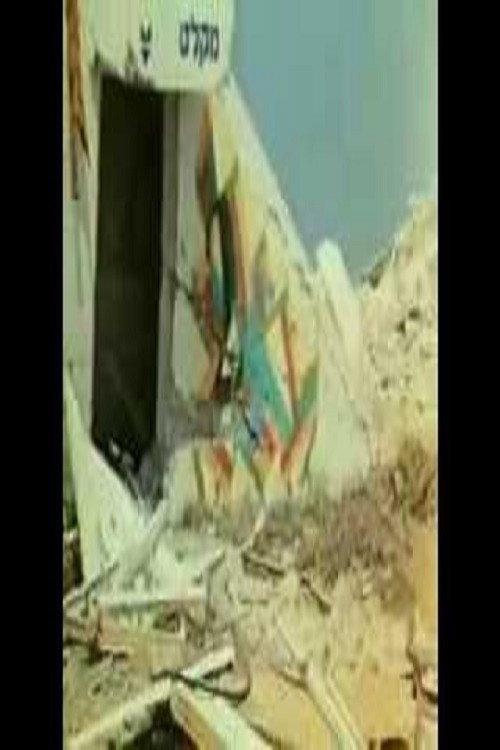
*The Rafah Trilogy (1982)* documents the Sinai Peninsula during a pivotal moment in the early 1980s, following the Israeli withdrawal. The film captures the region's transformation, focusing on the social and environmental shifts that unfolded in Rafah after the military retreat.
Who directed The Rafah Trilogy?
The film was directed by Hossam Ali, a filmmaker known for his documentary work.
Who stars in The Rafah Trilogy?
Cast details for *The Rafah Trilogy (1982)* are not publicly available.
Is The Rafah Trilogy (1982) worth watching?
As a 13-minute documentary, *The Rafah Trilogy (1982)* offers a concise yet evocative look at a key historical moment. While it may not have a wide commercial appeal, its thematic depth and short runtime make it a unique entry for documentary enthusiasts.
How long is The Rafah Trilogy?
The runtime of *The Rafah Trilogy (1982)* is 13 minutes.
About The Rafah Trilogy (1982) — A Glimpse into Sinai After Israeli Withdrawal
Dive into the raw, post-conflict landscape of the Sinai Peninsula with *The Rafah Trilogy (1982)*, a compelling documentary short directed by Hossam Ali. Capturing the region's shifting sands and evolving identity in the early 1980s, the film explores the aftermath of Israeli withdrawal through a lens that's both intimate and revealing. The atmosphere is one of quiet reflection and subtle tension, as the documentary peers into the socio-political landscape of Rafah, framing its narrative through the eyes of those who experienced the transition firsthand.
As a work of documentary filmmaking, *The Rafah Trilogy (1982)* stands out for its brevity and focus—condensing a complex historical moment into 13 minutes of sharp, evocative storytelling. The film's themes revolve around change, resilience, and the human footprint in a land marked by conflict. While the cast isn't prominently highlighted, the documentary's strength lies in its unfiltered portrayal of place and people, making it a compelling watch for those interested in Middle Eastern history and documentary cinema.