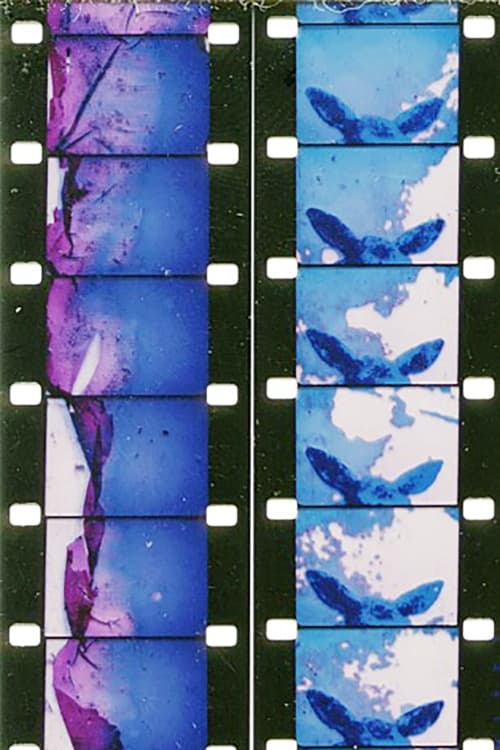
Skins 1976
Barbara Lattanzi's Skins (1976) is a mesmerizing silent short film that transforms the organic texture of motion picture emulsion into a visual meditation on memory and decay.
Director: Barbara Lattanzi
Frequently Asked Questions
What is Skins (1976) about?
Skins is a silent experimental short that explores the organic decay of motion picture film itself. Rather than a traditional narrative, it focuses on the tactile, visual transformation of 16mm emulsion as it's altered by water and dye, creating a hypnotic interplay of light and texture. The film's title hints at its raw material—literally the skin of cattle—turned into a meditative reflection on impermanence.
Who directed Skins?
Skins was directed by Barbara Lattanzi, an artist known for pushing the boundaries of experimental film through unconventional techniques and materials.
Who stars in Skins?
Cast information for Skins (1976) is not publicly available.
Is Skins (1976) worth watching?
While Skins is niche by nature, its seven-minute runtime and striking visuals make it a compelling watch for fans of experimental cinema. Without dialogue or plot, it prioritizes atmosphere and texture over conventional entertainment. Its unique approach to filmmaking ensures it stands out in the genre, though casual viewers may find it more intriguing than immersive.
How long is Skins?
Skins has a runtime of 7 minutes.
About Skins (1976) — A Silent 16mm Film That Celebrates the Beauty of Decaying Celluloid
Barbara Lattanzi's Skins (1976) is a mesmerizing silent short film that transforms the organic texture of motion picture emulsion into a visual meditation on memory and decay. Shot on 8mm in 1972 and meticulously refined into 16mm four years later, this experimental piece strips away sound to reveal the raw, tactile beauty of celluloid itself. Each frame, altered through dye soaking and erosion, becomes a delicate landscape where light and color ripple across the film's organic surface—literally made from the skin and hooves of cattle. The result is an immersive, almost meditative experience that invites viewers to see cinema as both artifact and art.
Skins defies conventional storytelling, instead using the physical properties of film to evoke themes of transience and transformation. The slow, deliberate degradation of the emulsion mirrors the fragility of images we preserve, challenging audiences to reconsider what we preserve—and why. With a runtime of just seven minutes, it's a fleeting yet profound encounter that lingers long after the final frame fades.