Dream 733 1977
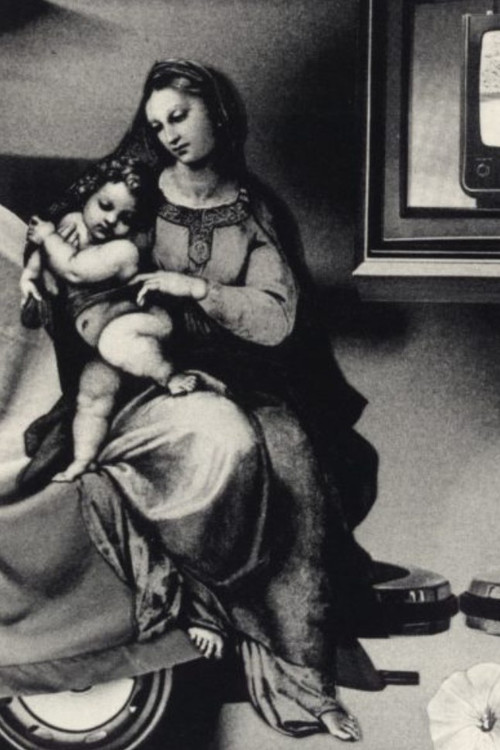
Paul Glabicki's *Dream 733 (1977)* unfolds like a hypnotic collage of industrial precision and surreal imagination, where mechanical dreams take shape in a series of striking tableaux.
Director: Paul Glabicki
Frequently Asked Questions
What is Dream 733 (1977) about?
*Dream 733* is a 13-minute experimental film that constructs a mechanical dream through a series of vivid tableaux. Machines, fashion models, wrestlers, and sleeping figures emerge from darkness in rapid succession, creating a hypnotic collage of imagery that feels both nostalgic and futuristic.
Who directed Dream 733?
Director Paul Glabicki crafted this experimental short, known for his innovative visual style and contributions to avant-garde cinema.
Who stars in Dream 733?
The film features fashion models, wrestlers, and sleeping figures, though no traditional cast is listed.
Is Dream 733 (1977) worth watching?
If you appreciate experimental or avant-garde cinema, *Dream 733* is absolutely worth watching. Its 13-minute runtime packs a punch with surreal, visually striking imagery that lingers long after the credits roll. However, those seeking traditional narrative films may find it challenging to connect with.
How long is Dream 733?
The film runs for 13 minutes.
About Dream 733 (1977) — Experimental short film blending surreal visuals and mechanical dreams
Paul Glabicki's *Dream 733 (1977)* unfolds like a hypnotic collage of industrial precision and surreal imagination, where mechanical dreams take shape in a series of striking tableaux. The 13-minute short film immerses viewers in a world where machines, interiors, and reimagined pop culture imagery collide with fashion models, wrestlers, and sleeping figures, all emerging from darkness in fleeting, dreamlike moments. Glabicki's experimental approach blends avant-garde visuals with a sense of fleeting observation, creating an atmosphere that feels both nostalgic and eerily futuristic. The film's rapid-fire composition mirrors the subconscious mind's ability to stitch together fragments into something cohesive yet elusive, making it a standout entry in 1970s experimental cinema.
As a time capsule of its era, *Dream 733* captures the aesthetic and cultural vibrancy of the late 1970s, from its bold fashion influences to its fascination with mechanical and bodily forms. The absence of a traditional narrative allows the visuals to take center stage, inviting repeated viewings to uncover new connections between the surreal images. Whether you're a fan of experimental filmmaking or simply drawn to films that challenge conventional storytelling, Glabicki's short offers a unique, thought-provoking experience.