Potters at Work 1976
Experience the timeless artistry of rural Japan in *Potters at Work (1976)*, a captivating 30-minute documentary directed by Marty Gross.
Director: Marty Gross
Frequently Asked Questions
What is *Potters at Work* (1976) about?
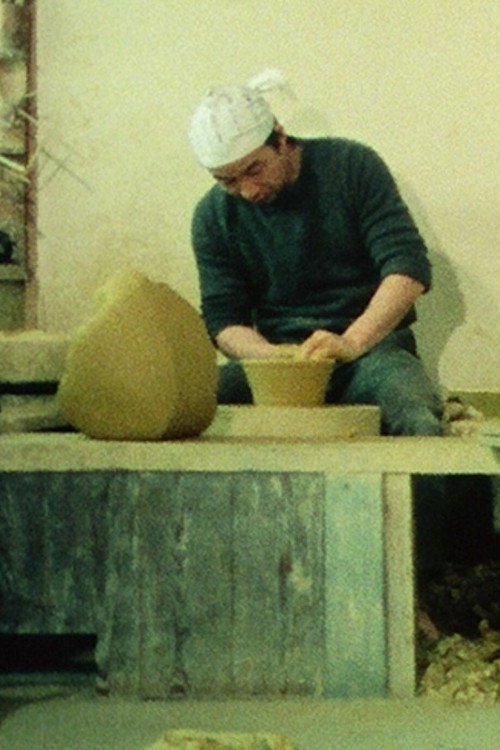
*Potters at Work* (1976) transports viewers to the pottery villages of Onda and Koishibara on Kyushu Island, where master potters Shigeki Sakamoto and Kumao Ohta demonstrate the intricate, hands-on process of traditional Japanese ceramics. The film captures the intersection of art, culture, and daily life in a way that feels both intimate and revelatory.
Who directed *Potters at Work*?
*Potters at Work* was directed by Marty Gross, a filmmaker known for his work in ethnographic and cultural documentaries.
Who stars in *Potters at Work*?
The documentary primarily features master potters Shigeki Sakamoto and Kumao Ohta, whose workshops serve as the film's focal points.
Is *Potters at Work* (1976) worth watching?
While *Potters at Work* lacks an IMDb rating, its focus on traditional craftsmanship and cultural storytelling makes it a compelling watch for those interested in art, Japanese culture, or documentary filmmaking. Its short runtime and authentic portrayal of pottery-making elevate it beyond a typical how-to film.
How long is *Potters at Work*?
*Potters at Work* runs for 30 minutes.
About Potters at Work (1976) — A Glimpse into Japan's Living Pottery Traditions
Experience the timeless artistry of rural Japan in *Potters at Work (1976)*, a captivating 30-minute documentary directed by Marty Gross. Filmed in the pottery-rich villages of Onda and Koishibara on Kyushu Island, the short immerses viewers in the traditional workshops of master potters Shigeki Sakamoto and Kumao Ohta.
Witness the meticulous craftsmanship unfold as centuries-old techniques are passed down through generations, set against the serene backdrop of Southern Japan's countryside. This film isn't just about pottery—it's a meditative journey into cultural preservation, showcasing how art and daily life intertwine. The documentary's quiet intensity and focus on authentic process make it a hidden gem for fans of ethnographic filmmaking and ceramic art alike.