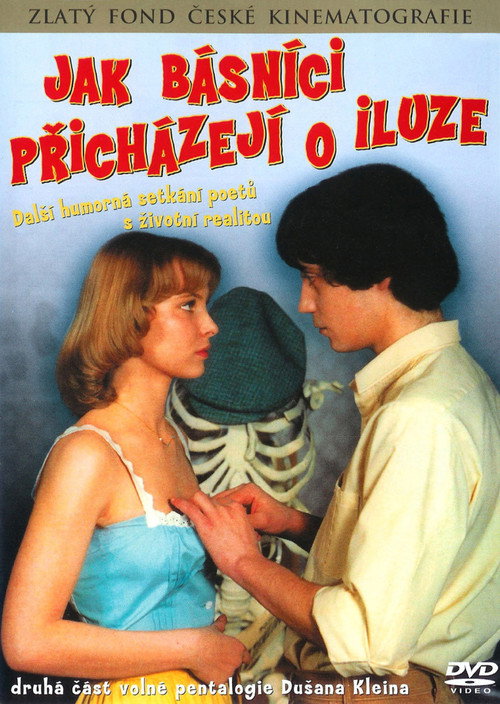
How Poets Are Losing Their Illusions 1985
Dive into the quirky world of *How Poets Are Losing Their Illusions (1985)*, a Czechoslovak comedy directed by Dušan Klein that blends humor with the timeless struggles of youth.
Director: Dušan Klein
Cast


Frequently Asked Questions
What is How Poets Are Losing Their Illusions (1985) about?
The film follows a young medical student as he stumbles through the challenges of university life, romance, and personal growth, all while navigating the absurdities of adulthood with humor and heart.
Who directed How Poets Are Losing Their Illusions?
Dušan Klein directed *How Poets Are Losing Their Illusions*, bringing his signature blend of comedy and social observation to this 1985 gem.
Who stars in How Poets Are Losing Their Illusions?
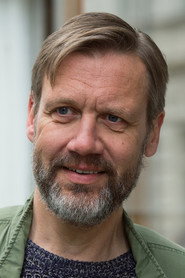
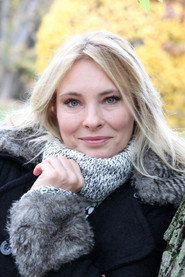
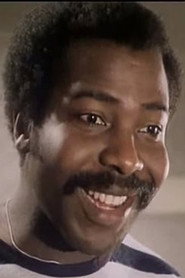
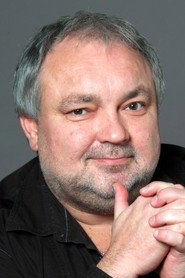
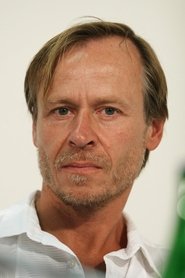
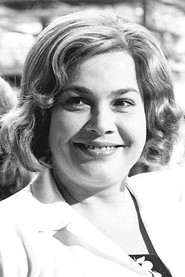
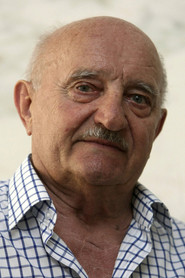
The film features a standout cast including Pavel Kříž, David Matásek, Adriana Tarábková, and Václav Svoboda, each delivering memorable performances.
Is How Poets Are Losing Their Illusions (1985) worth watching?
While it may not be a blockbuster, this Czechoslovak comedy offers a delightful mix of humor and nostalgia, perfect for fans of lighthearted, character-driven films from the era. Its charm lies in its relatable themes and witty dialogue.
How long is How Poets Are Losing Their Illusions?
The film runs for 98 minutes, making it a perfect choice for a breezy cinematic escape.
About How Poets Are Losing Their Illusions (1985) — A Comedy Classic with Youthful Charm
Dive into the quirky world of *How Poets Are Losing Their Illusions (1985)*, a Czechoslovak comedy directed by Dušan Klein that blends humor with the timeless struggles of youth.
The film follows the misadventures of a bright but disillusioned medical student, navigating the chaos of academia, romance, and the absurdities of life with a satirical edge. With a talented ensemble cast including Pavel Kříž and David Matásek, Klein crafts a witty, lighthearted tale that pokes fun at the gap between idealism and reality. Set against the backdrop of 1980s Czechoslovakia, the movie balances playful humor with subtle social commentary, making it a charming slice-of-life comedy for fans of classic Central European cinema.