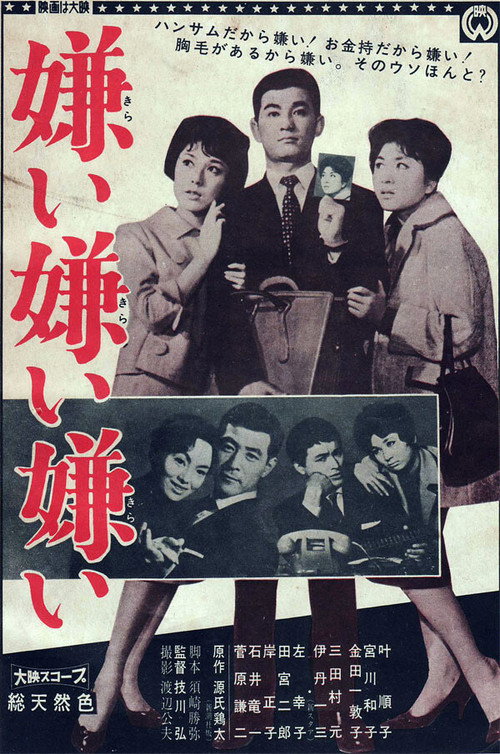
Kirai Kirai Kirai 1960
In Hiroshi Edagawa's delicate 1960 romantic drama *Kirai Kirai Kirai*, love unfolds like a quiet breeze through a Tokyo spring—moments of longing woven with whispered regrets and tender hesitations.
Director: Hiroshi Edagawa
Cast

Frequently Asked Questions
What is Kirai Kirai Kirai (1960) about?
This 1960 Japanese romance drifts between tender glances and unspoken words as two young lovers navigate the tender terrain of first love in a city in transition. Their relationship unfolds against the backdrop of mid-century Japan, where tradition and modernity collide, and every moment of hesitation speaks volumes.
Who directed Kirai Kirai Kirai?
Hiroshi Edagawa helmed this quiet masterpiece, infusing the film with a delicate balance of restraint and emotional depth.
Who stars in Kirai Kirai Kirai?
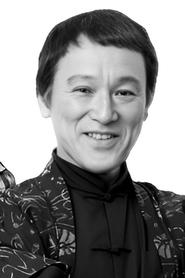
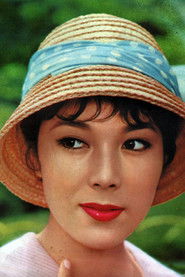
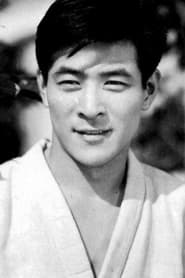
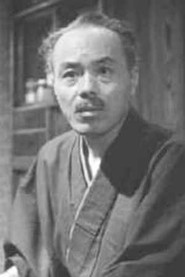
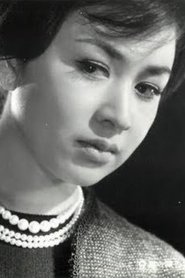
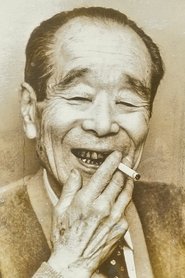
The film features central performances from Hajime Mitamura and Jūzō Itami, supported by a cast including Jirō Tamiya and Atsuko Kindaichi.
Is Kirai Kirai Kirai (1960) worth watching?
Though unrated on IMDb, *Kirai Kirai Kirai* offers a rare glimpse into 1960s Japanese romance with its atmospheric storytelling and understated performances. Fans of subtle, character-driven dramas will appreciate its nostalgic charm and emotional resonance.
How long is Kirai Kirai Kirai?
The film runs for 91 minutes, a concise yet immersive runtime perfect for a reflective evening watch.
About Kirai Kirai Kirai (1960) — A Forgotten Romance of Youth and Hesitance
In Hiroshi Edagawa's delicate 1960 romantic drama *Kirai Kirai Kirai*, love unfolds like a quiet breeze through a Tokyo spring—moments of longing woven with whispered regrets and tender hesitations. The film follows two young souls whose feelings blossom against the backdrop of a city caught between tradition and modernity, where every glance and hesitation carries the weight of unspoken words. Hajime Mitamura and Jūzō Itami deliver understated performances that anchor the narrative in raw emotional authenticity, while the romance genre lends itself to a reflective mood of hope and melancholy. Edagawa's direction frames fleeting connections with poetic restraint, making every scene feel like a snapshot of youth on the cusp of change.
Set against the backdrop of mid-20th century Japan, *Kirai Kirai Kirai* explores themes of youthful uncertainty, the fear of rejection, and the quiet courage it takes to pursue love. The film's restrained visuals and nuanced storytelling invite viewers into a world where emotions linger long after the credits roll, blending drama with the timeless ache of first love. Whether you're drawn to its nostalgic atmosphere or its exploration of human connection, this forgotten gem offers a poignant snapshot of an era and a feeling that remains universal.