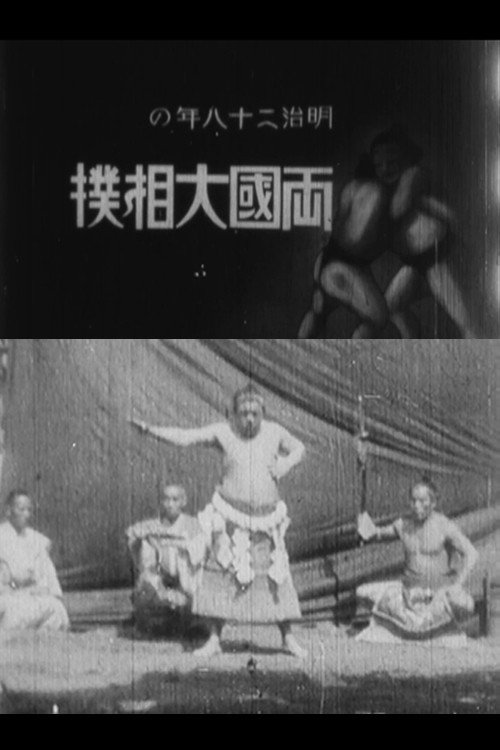
Ekoin Natsu-basho Ozumo 1900
Dive into the fascinating origins of Japanese cinema with *Ekoin Natsu-basho Ozumo* (1900), a pioneering documentary that marked the birth of sports filmmaking in Japan.
Director: Tsuchiya Tsuneji
Frequently Asked Questions
What is Ekoin Natsu-basho Ozumo (1900) about?
*Ekoin Natsu-basho Ozumo* documents a traditional sumo wrestling tournament in early 20th-century Japan, capturing the sport's raw intensity and cultural significance. Inspired by American boxing films, it blends early cinematic techniques with a fascination for Western sports, offering a rare historical snapshot of Japan's sporting heritage.
Who directed Ekoin Natsu-basho Ozumo?
The film was directed by Tsuchiya Tsuneji, a former carpenter who became one of Japan's first cameramen and pioneers of early cinema in the country.
Who stars in Ekoin Natsu-basho Ozumo?
Director Tsuchiya Tsuneji is the key figure behind the camera, though the cast primarily consists of sumo wrestlers and spectators whose names are lost to history.
Is Ekoin Natsu-basho Ozumo (1900) worth watching?
While it's a 12-minute silent documentary with no IMDb rating, *Ekoin Natsu-basho Ozumo* holds immense historical value as the first Japanese sumo wrestling film. Its grainy authenticity and cultural importance make it fascinating for film buffs and historians, though casual viewers may find it more intriguing than entertaining.
How long is Ekoin Natsu-basho Ozumo?
The runtime is approximately 12 minutes.
About Ekoin Natsu-basho Ozumo (1900) — The First Japanese Sumo Wrestling Film Ever Shot
Dive into the fascinating origins of Japanese cinema with *Ekoin Natsu-basho Ozumo* (1900), a pioneering documentary that marked the birth of sports filmmaking in Japan. Directed by Tsuchiya Tsuneji, a former carpenter turned one of the first Japanese cameramen, this 12-minute silent film captures the raw energy of a traditional sumo wrestling tournament. Inspired by the popular boxing match films of the United States, Tsuneji's work blends technical innovation with cultural curiosity, offering a glimpse into early 20th-century Japan's fascination with Western entertainment. The film's atmosphere is electric, filled with the thunderous cheers of spectators and the intense physicality of the wrestlers, all captured in grainy, hand-cranked footage that feels both historical and immediate.
While *Ekoin Natsu-basho Ozumo* may lack the polish of modern cinema, its significance as a historical artifact cannot be overstated. As one of the earliest surviving examples of Japanese sports documentary, it documents a pivotal moment when tradition met innovation. The film's grainy visuals and brief runtime transport viewers back to 1900, evoking the spirit of an era when film was still a novelty. For cinephiles and historians alike, this short but vital piece of cinema history offers a rare window into the past, making it a must-see for anyone interested in the evolution of Japanese filmmaking.