Vision 1985
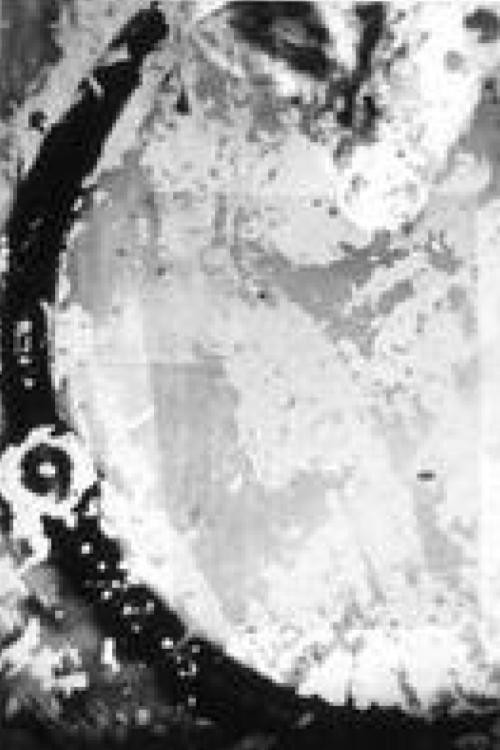
A hypnotic, avant-garde short from 1985, *Vision* (1985) unfolds as a meditative collage of handcrafted visuals, where layers of bleached film, dye, and Letraset textures create a mesmerizing palimpsest effect.
Director: Dirk de Bruyn
Frequently Asked Questions
What is Vision (1985) about?
*Vision* (1985) is an abstract short film that transforms the filmstrip itself into a canvas, using bleaching, dyeing, and Letraset to create layered, overlapping images. The result is a hypnotic visual experience where light and shadow dance in slow, deliberate motion.
Who directed Vision?
The film was directed by Dirk de Bruyn, an experimental filmmaker known for pushing the boundaries of celluloid through tactile techniques and unconventional storytelling.
Who stars in Vision?
Cast details for *Vision* (1985) are not publicly available.
Is Vision (1985) worth watching?
With its striking visual approach and fleeting runtime, *Vision* (1985) is a hidden gem for fans of experimental cinema. While it may not appeal to those seeking traditional narrative, its craftsmanship and originality make it a compelling watch for the right audience.
How long is Vision?
The film runs for 3 minutes.
About Vision (1985) — Dirk de Bruyn's Handmade Celluloid Experiment
A hypnotic, avant-garde short from 1985, *Vision* (1985) unfolds as a meditative collage of handcrafted visuals, where layers of bleached film, dye, and Letraset textures create a mesmerizing palimpsest effect. Directed by Dirk de Bruyn, this abstract experiment thrives on slow, deliberate movement, with images deliberately folding over one another to evoke a dreamlike sense of repetition and memory. The interplay of positive and negative flickers sustains the hypnotic rhythm, making *Vision* a rare piece of celluloid poetry that lingers long after the final frame. Drawing from experimental film traditions, it invites viewers to lose themselves in its textured, tactile surface, where every detail feels meticulously hand-wrought.
While the runtime clocks in at a brief three minutes, *Vision* packs an outsized emotional punch, transcending its brevity to explore themes of perception, distortion, and the fleeting nature of images. The absence of traditional narrative is a feature, not a flaw—its power lies in the way it challenges viewers to engage with the material purely on a sensory level. For fans of non-linear cinema, this is a must-see: a fleeting yet unforgettable snapshot of what happens when film becomes both canvas and sculpture.