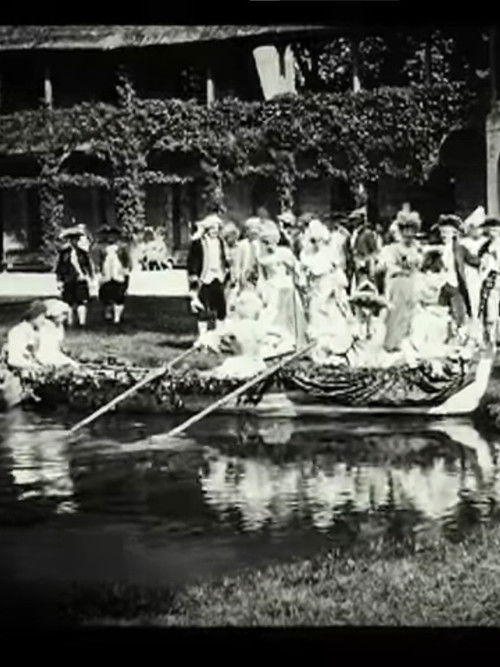
Marie Antoinette 1903
Step back to the dawn of cinema with *Marie Antoinette* (1903), an eight-minute silent short that brings the tragic queen's story to life in flickering black-and-white.
Frequently Asked Questions
What is Marie Antoinette (1903) about?
This early silent short portrays the grandeur and eventual downfall of the ill-fated French queen. Through expressive visuals and minimal intertitles, it captures key moments of her life at Versailles, emphasizing lavish court life and the seeds of revolution. The film condenses a dramatic reign into just eight minutes of cinematic storytelling.
Who directed Marie Antoinette?
Director information is not available.
Who stars in Marie Antoinette?
The main cast is not listed, reflecting the era's limited documentation practices.
Is Marie Antoinette (1903) worth watching?
As an 11-minute silent short, it's a historical curiosity rather than a modern masterpiece. Silent film enthusiasts and historians may appreciate its early cinematic techniques, but casual viewers might find it slow. Still, its brevity and visual style offer a unique window into early filmmaking.
How long is Marie Antoinette?
Marie Antoinette (1903) runs for 8 minutes.
🎥 Trailer
About Marie Antoinette (1903) — The Silent Crown of Early Cinema
Step back to the dawn of cinema with *Marie Antoinette* (1903), an eight-minute silent short that brings the tragic queen's story to life in flickering black-and-white. Directed by an unknown filmmaker, this early drama captures Versailles in candlelit close-ups and sweeping tableaus, producing an atmosphere of opulence and simmering tension. Though the cast names have faded with time, the film whispers history through gesture and expression, turning a monarch's fall into silent cinema poetry. Themes of power, excess, and revolution pulse beneath every frame, inviting modern viewers to experience the spectacle through the eyes of 1903 audiences.
As one of the first cinematic explorations of Marie Antoinette's life, this brief yet evocative short offers a fascinating glimpse into early film storytelling. Its candid focus on lavish gowns, powdered wigs, and whispered intrigue contrasts sharply with the queen's later fate, foreshadowing revolution through fleeting glances rather than dialogue. For silent film enthusiasts and history buffs alike, *Marie Antoinette* (1903) remains a fragile but fascinating artifact—a minute-long jewel that proves even eight minutes can hold a kingdom's drama.