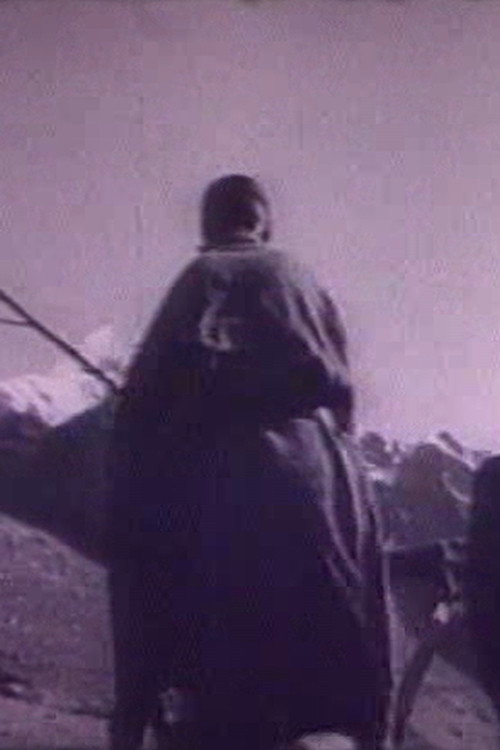
Lullaby 1966
Lullaby (1966), a poetic documentary by acclaimed director Davlat Khudonazarov, captures the rhythm of life in a Pamiri village through a tender, almost musical lens.
Director: Davlat Khudonazarov
Frequently Asked Questions
What is Lullaby (1966) about?
Lullaby (1966) is a poetic documentary that captures the daily life and traditions of a Pamiri village through the eyes of a father speaking to his unborn child, Pamir. The film weaves together labor, rituals, and the rhythms of nature into a visual letter to the next generation.
Who directed Lullaby?
Lullaby was directed by Davlat Khudonazarov, a filmmaker known for blending documentary realism with poetic visual storytelling.
Who stars in Lullaby?
Lullaby is a documentary, so its 'cast' consists of the villagers whose lives are captured on film, including farmers at work, a shaman performing a ritual dance, and a mother tending to a cradle.
Is Lullaby (1966) worth watching?
Lullaby (1966) may not be for everyone, but its quiet beauty makes it a compelling watch for fans of atmospheric documentaries and visual poetry. With its meditative pace and rich cultural insight, it offers a unique glimpse into a world where tradition and nature intertwine.
How long is Lullaby?
Lullaby (1966) runs for 9 minutes, making it a brief yet impactful cinematic experience.
About Lullaby (1966) — A poetic documentary of Pamiri village life and generational love
Lullaby (1966), a poetic documentary by acclaimed director Davlat Khudonazarov, captures the rhythm of life in a Pamiri village through a tender, almost musical lens. The film unfolds as a whispered promise from father to unborn child, weaving together the daily rituals of farmers, the hypnotic sway of a shaman's dance, and the quiet hum of a cradle in motion. Director Khudonazarov transforms the landscape into a living lullaby, where every gesture—whether the calloused hands of laborers or the sway of a tambourine—conveys a sense of heritage and belonging. The camera lingers like a memory, framing traditions that pulse with resilience and love, all while urging the unborn Pamir to never forget the land of their birth.
Atmospherically rich yet delicately paced, Lullaby (1966) challenges the boundaries between documentary and art, immersing viewers in a world where time feels suspended between the past and the future. The film's visual poetry, paired with its evocative portrayal of communal life, invites contemplation on the bonds between generations and the enduring power of place. Whether through the elder's shamanic dance or the gentle rocking of a cradle, Khudonazarov crafts a meditation on legacy that lingers long after the final frame fades.