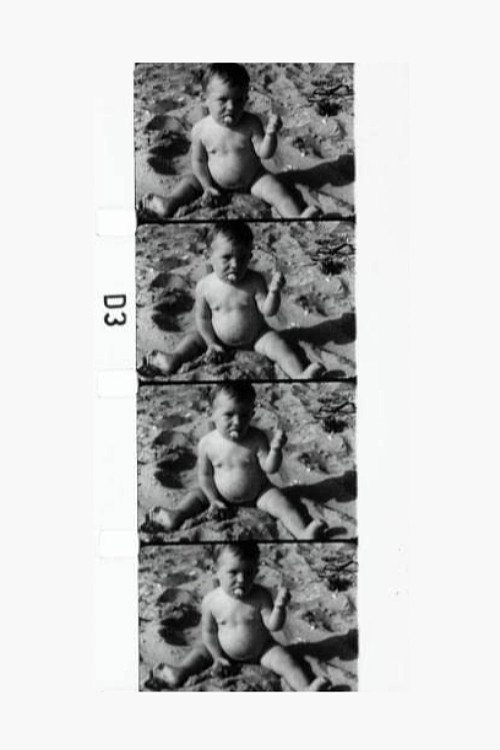
Fluxfilm No. 21 1966
Fluxfilm No. 21 (1966) offers a fleeting yet unforgettable glimpse into the avant-garde experimental film movement of the 1960s. Directed by Alison Knowles, this ultra-short documentary immerses viewers in a minimalist visual experience that challenges conventional storytelling.
Director: Alison Knowles
Frequently Asked Questions
What is Fluxfilm No. 21 (1966) about?
Fluxfilm No. 21 is an ultra-short experimental documentary that focuses on abstract visuals and minimalist storytelling. The film's one-minute runtime challenges viewers to engage with its cryptic imagery and themes of perception.
Who directed Fluxfilm No. 21?
Director Alison Knowles is behind Fluxfilm No. 21, contributing to its place in the experimental cinema movement of the 1960s.
Who stars in Fluxfilm No. 21?
Cast information for Fluxfilm No. 21 is not available.
Is Fluxfilm No. 21 (1966) worth watching?
As an experimental short film with no IMDb rating, Fluxfilm No. 21 is best suited for fans of avant-garde cinema or those interested in 1960s art movements. Its brevity and abstract nature make it a niche but intriguing watch.
How long is Fluxfilm No. 21?
Fluxfilm No. 21 has a runtime of 1 minute.
About Fluxfilm No. 21 (1966) — Alison Knowles' 60s Avant-Garde Miniature
Fluxfilm No. 21 (1966) offers a fleeting yet unforgettable glimpse into the avant-garde experimental film movement of the 1960s. Directed by Alison Knowles, this ultra-short documentary immerses viewers in a minimalist visual experience that challenges conventional storytelling. Clocking in at just one minute, the film strips cinema down to its bare essence, leaving audiences to interpret its cryptic imagery and abstract narrative. The atmosphere is hauntingly serene, blending artistic experimentation with a sense of quiet rebellion against traditional filmmaking norms. Though lacking a formal title, Fluxfilm No. 21 stands as a testament to Knowles' visionary approach, inviting reflection on the boundaries between art and perception.
As part of the Fluxfilm series, this micro-documentary reflects the era's experimental spirit, where brevity meets bold creativity. Its documentary roots are evident in its raw, unfiltered presentation, yet it transcends the genre by prioritizing atmosphere over exposition. The film's themes revolve around perception, time, and the ephemeral nature of visual art, making it a fascinating study for cinephiles and art historians alike. Whether you're drawn to experimental cinema or simply curious about 1960s avant-garde movements, Fluxfilm No. 21 (1966) delivers a concise yet impactful viewing experience.