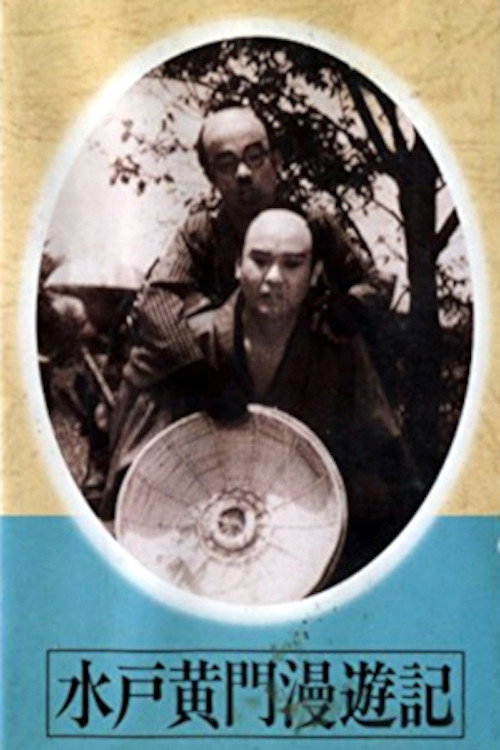
Mito Kōmon Manyu-ki 1938
Step back to mid-century Japan with *Mito Kōmon Manyu-ki* (1938), Kunio Watanabe's stirring historical drama that distills two classic episodes into a single, 80-minute voyage of intrigue and honor.
Director: Kunio Watanabe
Cast

Frequently Asked Questions
What is Mito Kōmon Manyu-ki (1938) about?
This historical drama follows Mito Kōmon, a wandering nobleman disguised as a commoner, as he traverses the countryside with his loyal companions. Together, they uncover corruption and right injustices, blending adventure with quiet reflection on duty and honor.
Who directed Mito Kōmon Manyu-ki?
The film was directed by Kunio Watanabe, a filmmaker celebrated for his meticulous period dramas that capture the spirit of pre-war and wartime Japan.
Who stars in Mito Kōmon Manyu-ki?
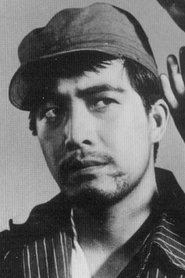
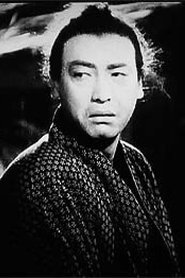
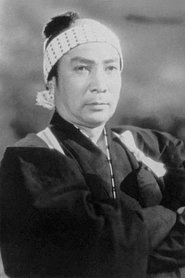
The film stars Utaemon Ichikawa as Mito Kōmon, with Ryutaro Otomo, Shin Tokudaiji, Den Obinata, and Yūko Misono rounding out the ensemble.
Is Mito Kōmon Manyu-ki (1938) worth watching?
While the film lacks a modern IMDb rating, its rarity and historical significance make it a fascinating watch for fans of Japanese cinema. The carefully restored 80-minute edit offers a glimpse into a lost era, though viewers should expect a slower, more traditional pace compared to contemporary films.
How long is Mito Kōmon Manyu-ki?
The film has a runtime of 80 minutes, a condensed version of the original 147-minute presentation.
Mito Kōmon Manyu-ki (1938): The Forgotten Epic of Classical Japanese Cinema
Step back to mid-century Japan with *Mito Kōmon Manyu-ki* (1938), Kunio Watanabe's stirring historical drama that distills two classic episodes into a single, 80-minute voyage of intrigue and honor. Crafted during a time when wartime upheaval left precious few films intact for audiences, this restored re-edit blends the first two parts of the saga into a seamless narrative told through lavish period detail and dignified pacing. At its heart, the film captures the wandering travels of Mito Kōmon, a noble figure cloaked in humility, whose journey across the countryside becomes a meditation on justice and legacy. With Utaemon Ichikawa delivering a commanding central performance, the film's atmosphere crackles with quiet tension and a deep reverence for tradition, making it a must-see for fans of classical Japanese cinema.
Director Kunio Watanabe, known for his precision in historical storytelling, weaves themes of duty and disguise into every scene, while the supporting cast—including Ryutaro Otomo and Yūko Misono—add depth and nuance to this singular surviving relic from a pivotal era in film history.