La Vie de Raimu 1948
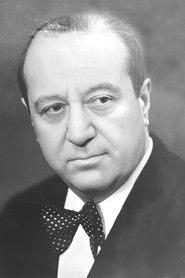
La Vie de Raimu (1948) offers a fascinating glimpse into the life and career of the legendary French actor Raimu through the lens of documentary filmmaking.
Director: Antoine Toé
Cast
Frequently Asked Questions
What is La Vie de Raimu (1948) about?
La Vie de Raimu (1948) is a documentary exploring the life, career, and artistic legacy of renowned French actor Raimu. The film examines his contributions to theater and cinema through archival materials and personal reflections, offering insight into his lasting impact on French cultural history.
Who directed La Vie de Raimu?
The documentary was directed by Antoine Toé, who crafted this intimate portrait of the famous performer.
Who stars in La Vie de Raimu?
The film features Raimu as its central subject, with archival appearances and documentary footage showcasing his career and artistry.
Is La Vie de Raimu (1948) worth watching?
As a documentary focusing on a significant figure in French cinema, La Vie de Raimu (1948) offers valuable historical perspective for film enthusiasts and those interested in mid-century European cultural figures. Its biographical approach makes it compelling viewing for fans of classic cinema.
How long is La Vie de Raimu?
Runtime details are not listed.
La Vie de Raimu: Biographical Documentary — Full Movie Info
La Vie de Raimu (1948) offers a fascinating glimpse into the life and career of the legendary French actor Raimu through the lens of documentary filmmaking. Directed by Antoine Toé, this cinematic portrait explores the artistic journey of one of France's most respected performers, capturing intimate moments and career highlights that defined an era of French cinema. The film serves as both tribute and examination, showcasing Raimu's contributions to the performing arts.
As a documentary, La Vie de Raimu (1948) takes viewers behind the scenes of theatrical and cinematic history, presenting archival footage and personal insights into the subject's craft. The atmosphere reflects the post-war period's reverence for artistic legacy, with Toé's direction emphasizing authenticity and respect for his famous protagonist. This film appeals to those interested in French cultural heritage and the evolution of documentary storytelling in the late 1940s.
For fans of classic cinema and biographical documentaries alike, La Vie de Raimu (1948) represents a valuable historical document. The film can be streamed or downloaded on multiple devices, making this portrait of artistic dedication accessible to contemporary audiences seeking to understand mid-20th century French performing arts.